Family Holdings #16 - Alphabet Builds an AI Empire, Berkshire Avoids a Billion-Dollar Lawsuit



This week's topics:
Berkshire Hathaway sees the likelihood of a massive liability significantly decrease now that the appeals court ruled that the lawsuit against subsidiary PacifiCorp regarding the 2020 wildfires was wrongly treated as a class-action lawsuit. As a result of this decision, plaintiffs must now prove their damages individually, which increases the burden of proof and greatly reduces the risk of the previously estimated losses of USD 8 billion.
In a recent interview, Christopher Sheldon, Co-Head of Credit & Markets at KKR, sheds light on the investment giant’s strategy in an increasingly volatile global climate. The conversation centers on the resilience of private credit, the importance of high-quality portfolio construction, and the enormous potential of the Asian market. Sheldon paints a picture in which KKR does not simply seek risk for the sake of returns, but secures value through smart structures and collateral.
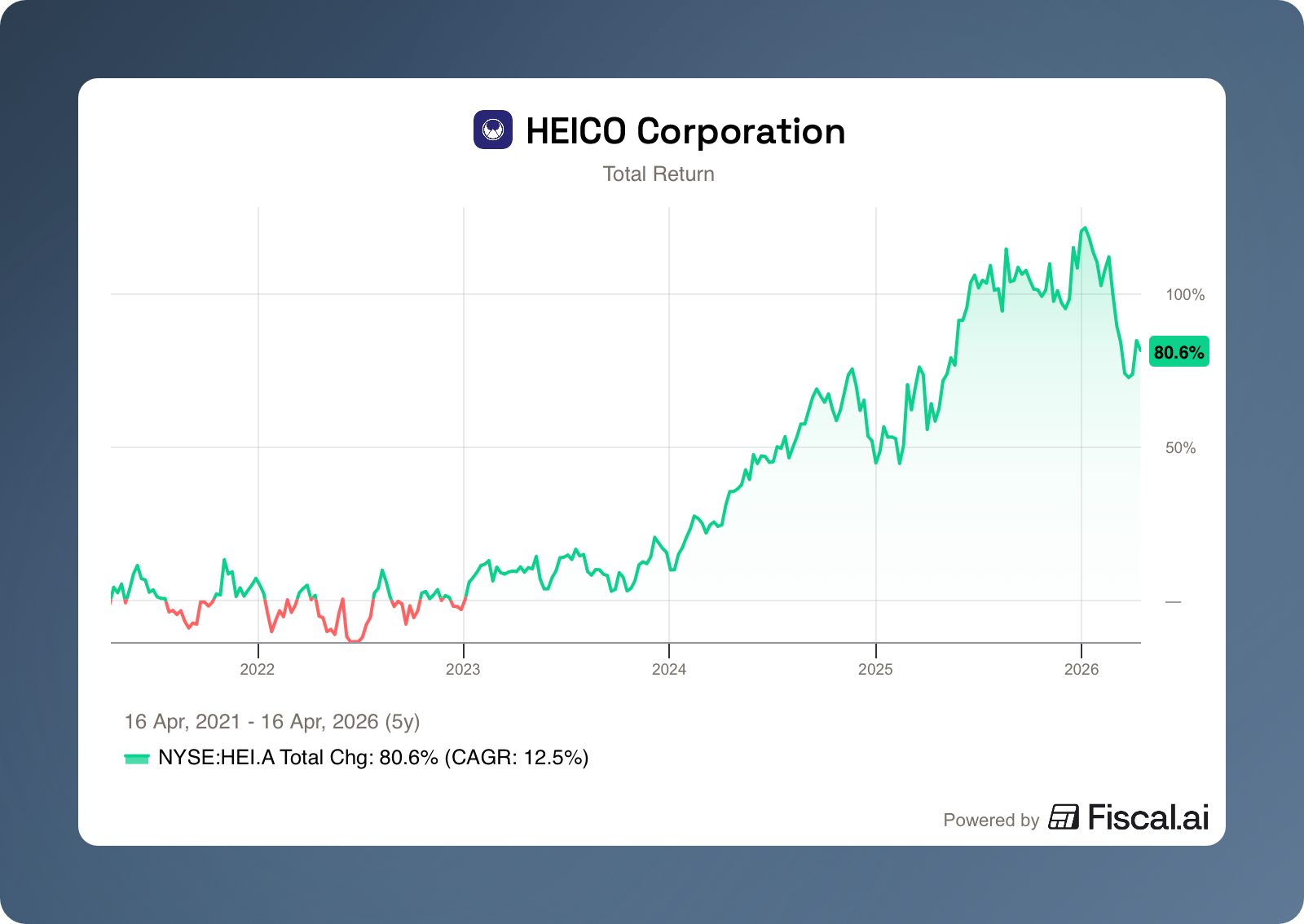
Heico has supplied mission-critical electronic components through three subsidiaries for NASA’s successful, crewed Artemis II mission around the moon. With the integration of these essential systems into the Orion spacecraft and other systems, the company reaffirms its important role as a specialized supplier of reliable aerospace hardware.
In Brief:
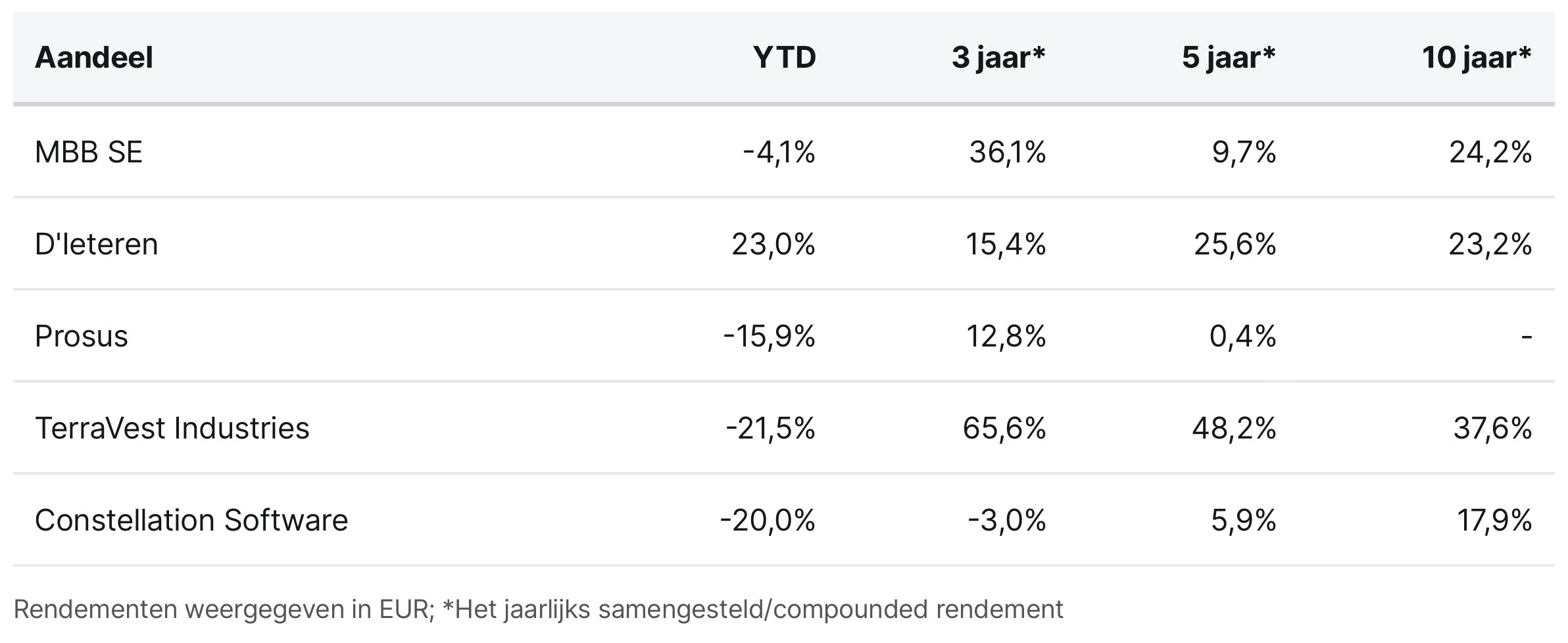
The German family-owned holding company MBB SE (Frankfurt: MBB) is expanding its ongoing share buyback program. Due to continued pressure on the share price, the maximum buyback budget has been increased from EUR 22 million to EUR 25 million. In addition, the program’s term has been extended until May 22, 2026, leaving more than EUR 6.5 million currently available for the repurchase of treasury shares.
Belron, a subsidiary of D'Ieteren (Brussels: DIE) and best known for its auto glass repair company Carglass, is reportedly opting for a stock market listing in Amsterdam. With an estimated valuation of between EUR 30 billion and EUR 40 billion, this would be one of the largest IPOs in Europe in recent years. Although New York was also considered, the choice now appears to have fallen on the Dutch stock exchange, although the actual IPO may not take place until 2027.
Prosus ( Amsterdam: PRX) is selling a stake of approximately 4.5% in meal delivery service Delivery Hero to Uber for EUR 270 million. The sale is taking place at a price of EUR 20 per share, which represents a premium of approximately 22% over the average stock price over the past month. This step is necessary to comply with European Commission requirements following Prosus’s earlier acquisition of Just Eat Takeaway.
The Canadian company TerraVest (Toronto: TVK) has established an automated plan to repurchase its own shares on the Toronto Stock Exchange. This allows the company to repurchase up to more than 1.5 million shares through an intermediary. This represents approximately 7% of the outstanding shares. By automating this process, TerraVest can continue to buy back shares even during periods when management is prohibited from trading, thereby providing continuous support for the stock price.
Through its subsidiary Vela Software, Constellation Software (Toronto: CSU) has once again completed two strategic acquisitions. First, it acquired the German company Gewatec, a specialist in software for the smart manufacturing industry. With solutions covering the entire production process, from planning to quality control. Additionally, the Juniper Group (part of Vela) has acquired a majority stake in DerbySoft. This is a significant acquisition in the travel and hospitality sector. DerbySoft serves more than 260,000 hotels worldwide with its platform for distribution and digital marketing. With approximately 450 employees and estimated annual revenue of around USD 90 million, the acquisition price is estimated to be between USD 108 million and USD 135 million.
MBB SE, D'Ieteren, Prosus, TerraVest, and Constellation Software are traded on the Frankfurt, Brussels, Amsterdam, and Toronto stock exchanges at prices of EUR 195.20, EUR 188.40, EUR 44.33, CAD 140.32, and CAD 2,662.05 per share, respectively.
Alphabet Strengthens Its AI Dominance Through Strategic Alliances
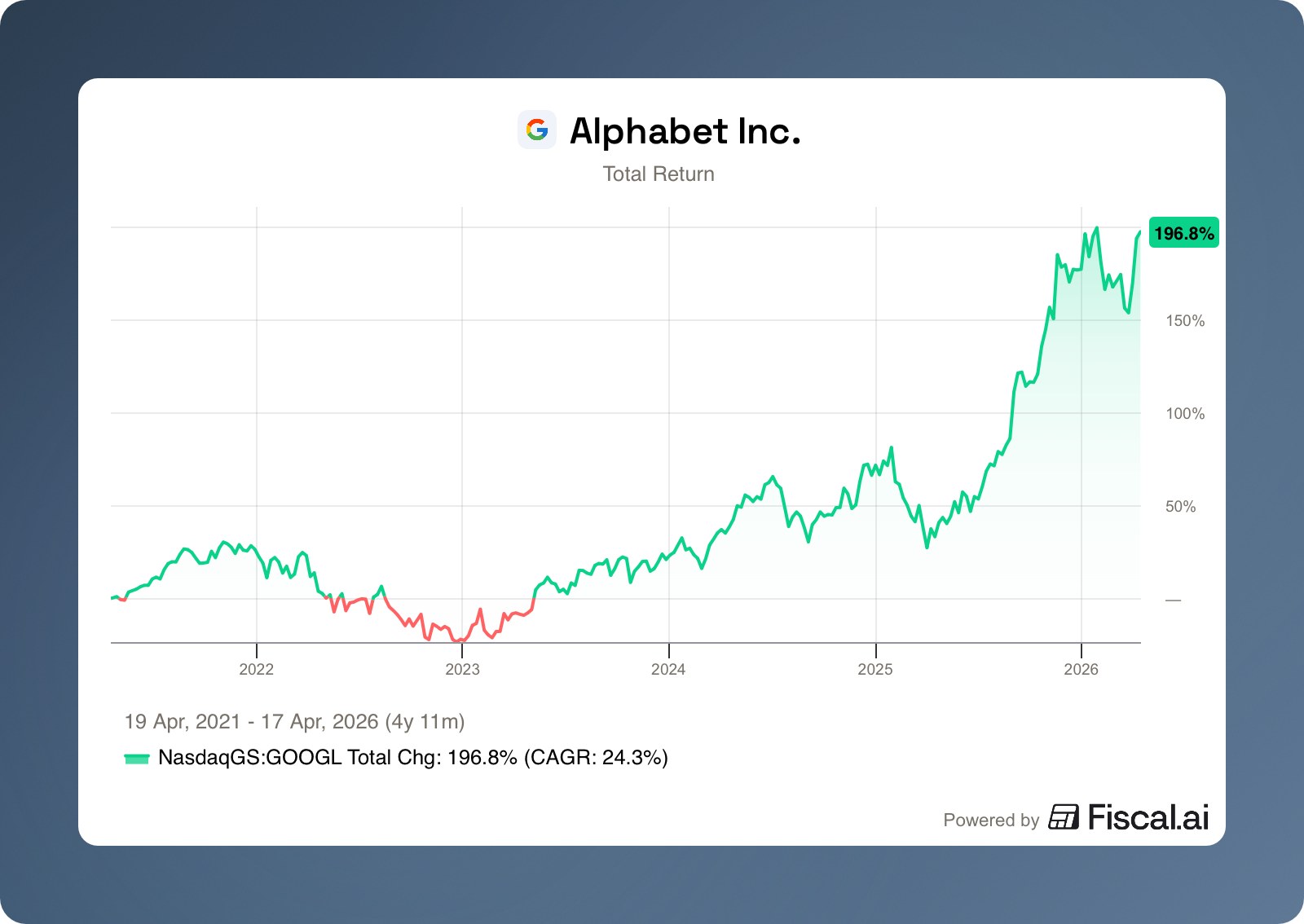
Although we haven’t discussed Alphabet ( New York: GOOGL), Google’s parent company, as often lately, the tech giant has been anything but idle behind the scenes. After all, with one of the world’s largest companies, there’s always relevant news to report on a weekly basis.

The common thread in recent news coverage has been a focus on strategic partnerships; as a result, several partnerships have been announced in recent weeks that further strengthen the company’s position:
Thoma Bravo: Google Cloud has entered into a strategic partnership with Thoma Bravo, the world’s largest software investor. Through this collaboration, dozens of software companies in Thoma Bravo’s portfolio will gain direct access to the Gemini models and intensive technical support from Google. According to Karthik Narain, Chief Product and Business Officer at Google Cloud, this marks a tipping point where software companies are transforming into “AI-first” organizations that can deliver superior results to their customers through the use of autonomous AI systems. In addition to productivity, the partnership places a strong focus on cybersecurity; the security companies within Thoma Bravo will deploy AI to manage rapidly evolving risks. The goal is to secure the entire digital environment, with strong indications that Google will deploy its exclusive new Anthropic Mythos model to address complex threats.
Intel: Google has committed to continuing to use future generations of Intel processors in its AI data centers. Although Nvidia currently dominates the market for AI chips, this deal shows that the traditional central processing unit (CPU) is regaining an important role. According to Intel CEO Lip-Bu Tan, scaling up AI requires more than just accelerators; it calls for “balanced systems” in which Intel’s latest chips provide the necessary computing power to prevent bottlenecks in complex AI processes. The two companies are also continuing to work on the development of so-called Infrastructure Processing Units (IPUs), specialized chips that handle peripheral tasks such as network traffic and data security, allowing the main processors to be fully utilized for heavy AI computations. This multi-year commitment provides Google with the stability needed to continue meeting the explosively growing demand for AI capacity.
Anthropic: Finally, there is the impressive partnership between Google and Anthropic. These two parties have signed an agreement to provide massive amounts of computing power (multiple gigawatts) via the next generation of Google’s proprietary AI chips (TPUs), which are being developed in close collaboration with chip designer Broadcom. This capacity is set to come online starting in 2027 to support the explosive growth of Anthropic’s AI model, Claude.
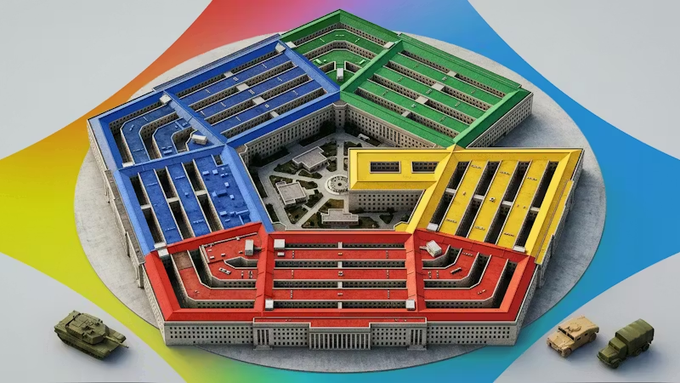
On top of that came the news that the U.S. Department of Defense (Pentagon), after talks with Anthropic broke down, is now in discussions with Google. The goal of these negotiations is to deploy the Gemini AI models for military purposes.
Reports on the new AI partnerships surrounding Gemini confirm a trend that has been evident for over a year: Gemini is rapidly gaining ground at the expense of ChatGPT. This shift is expected to continue, especially now that ChatGPT is increasingly shifting its focus toward the business market. The figures from the past twelve months speak volumes: ChatGPT’s market share dropped from 77.4% to 56.7%, while Gemini grew from 6.0% to 25.56%.
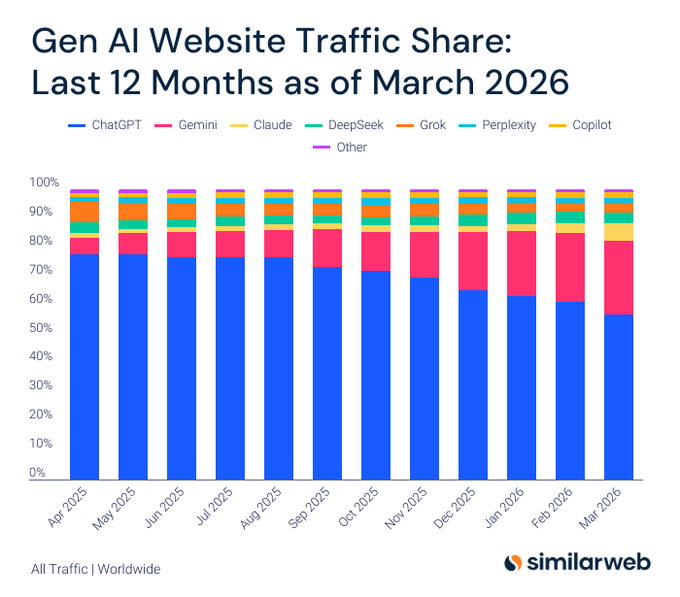
Claude from Anthropic is also gaining market share these days. Over the past twelve months, the LLM model’s market share grew from 1.4% to 6.0%. Although Claude is expected to continue chipping away at market share, this is a double-edged sword for Alphabet. Alphabet owns 14% of the shares in Anthropic. There are currently rumors of funding rounds valuing Anthropic at as much as $800 billion, a massive jump compared to the $380 billion valuation at the start of this year. Should this valuation become a reality, Alphabet’s stake would be worth approximately $112 billion.
On top of that, Alphabet is also reaping the benefits of SpaceX’s much-discussed IPO. It was recently revealed that Alphabet held a 6.11% stake in the aerospace company as of early 2026. Although the merger with xAI may have resulted in some dilution of this stake, Alphabet would once again have an asset worth over $100 billion on its balance sheet based on the reported market value of over $1.5 trillion.
All in all, Alphabet has once again proven itself to be an excellent capital allocator.
Alphabet is currently trading on the New York Stock Exchange at a price of $338.65 per Class A share.
Receive weekly insights in your inbox
Exclusive analyses and updates on family holdings and global market developments.
Berkshire Hathaway scores major legal victory
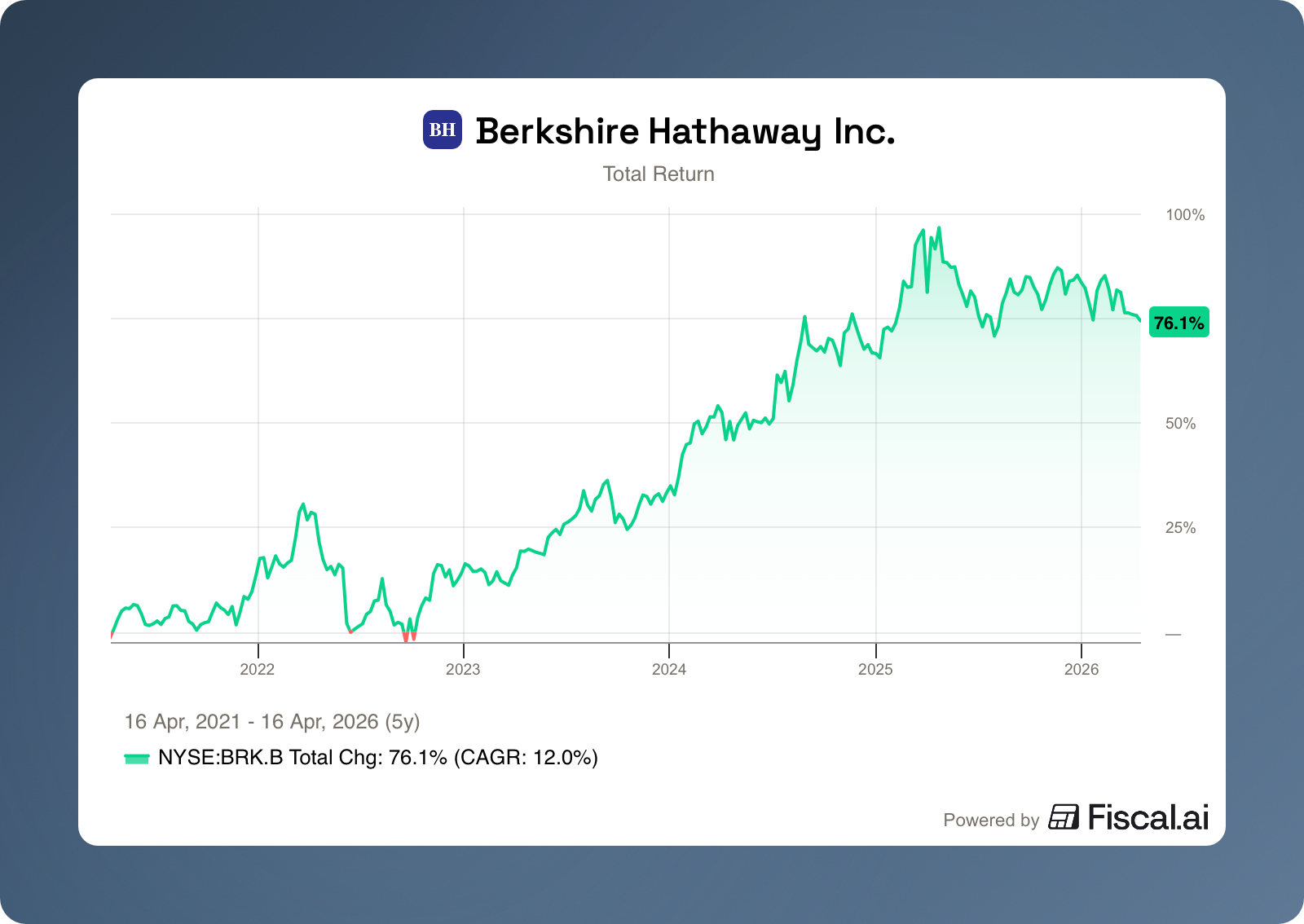
The American investment holding company Berkshire Hathaway (New York: BRK-B) scored a major victory this week in a lawsuit related to the wildfires in Oregon. The Oregon Court of Appeals ruled in favor of PacifiCorp, a subsidiary of Berkshire Hathaway Energy. This ruling could significantly reduce the company’s potential liability.
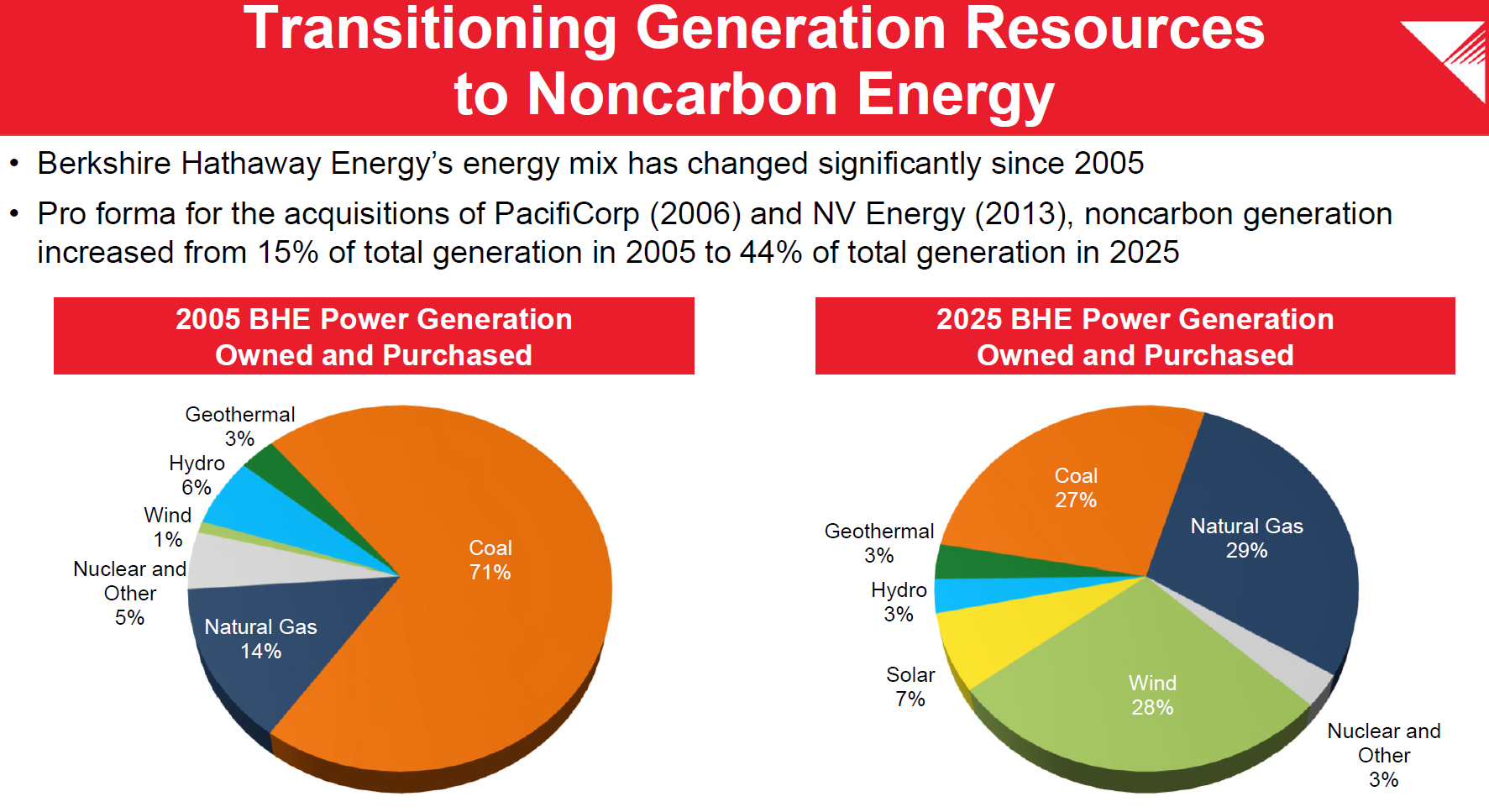
The case centers on the devastating wildfires that occurred in 2020. In 2023, a jury initially ruled that PacifiCorp could be held liable for gross negligence and that the company was responsible for the damages. However, the appeals court has now determined that the judge in that earlier trial erred by treating the case as a mass claim. As a result, the case has been remanded to the lower court for reconsideration.
In the court’s ruling, the judge stated that the lower court had wrongly allowed evidence of damages from 17 specific homeowners to be automatically applied to thousands of other plaintiffs in the state of Oregon. As a result of this decision, the remaining plaintiffs must now prove their losses on an individual basis, which significantly increases the legal burden of proof.
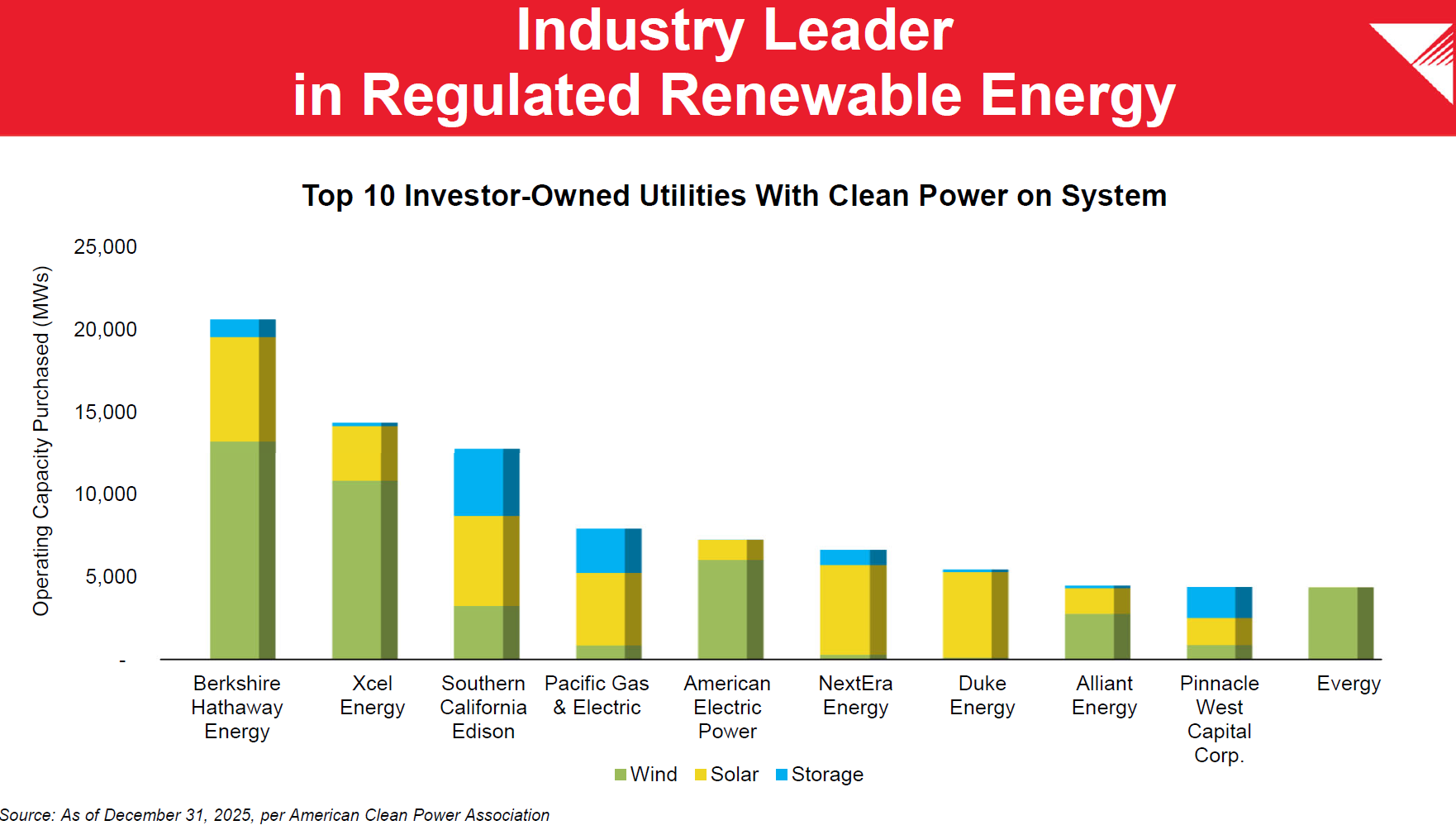
This legal development could have significant financial implications, as the total cost to the company had previously been estimated at tens of billions of dollars. The scale of this risk was substantial, with more than $1 billion in damages already awarded in previous lawsuits and a $2.4 billion provision set aside by Berkshire Hathaway at the end of 2023.
At the time, the holding company estimated the total potential pre-tax losses at USD 8 billion, a setback that Warren Buffett explicitly described as a major disappointment in a letter to shareholders in 2024. However, the rejection of the joint claim significantly reduces the likelihood of this massive expense.
Berkshire Hathaway is currently trading on the New York Stock Exchange at a price of $478.30 per Class B share.
Private credit remains resilient, according to KKR CEO
In a candid interview, Christopher Sheldon, Co-Head of Credit & Markets at the American investment firm KKR (New York: KKR), painted a sobering picture of what he calls a “rolling recession.” According to Sheldon, the credit market is in a critical phase in which the massive growth of recent years is giving way to a sharp divide between winners and losers. Despite the turmoil, he still sees growth in revenue and profits among the more than 2,000 companies in the KKR portfolio, but vigilance is greater than ever.

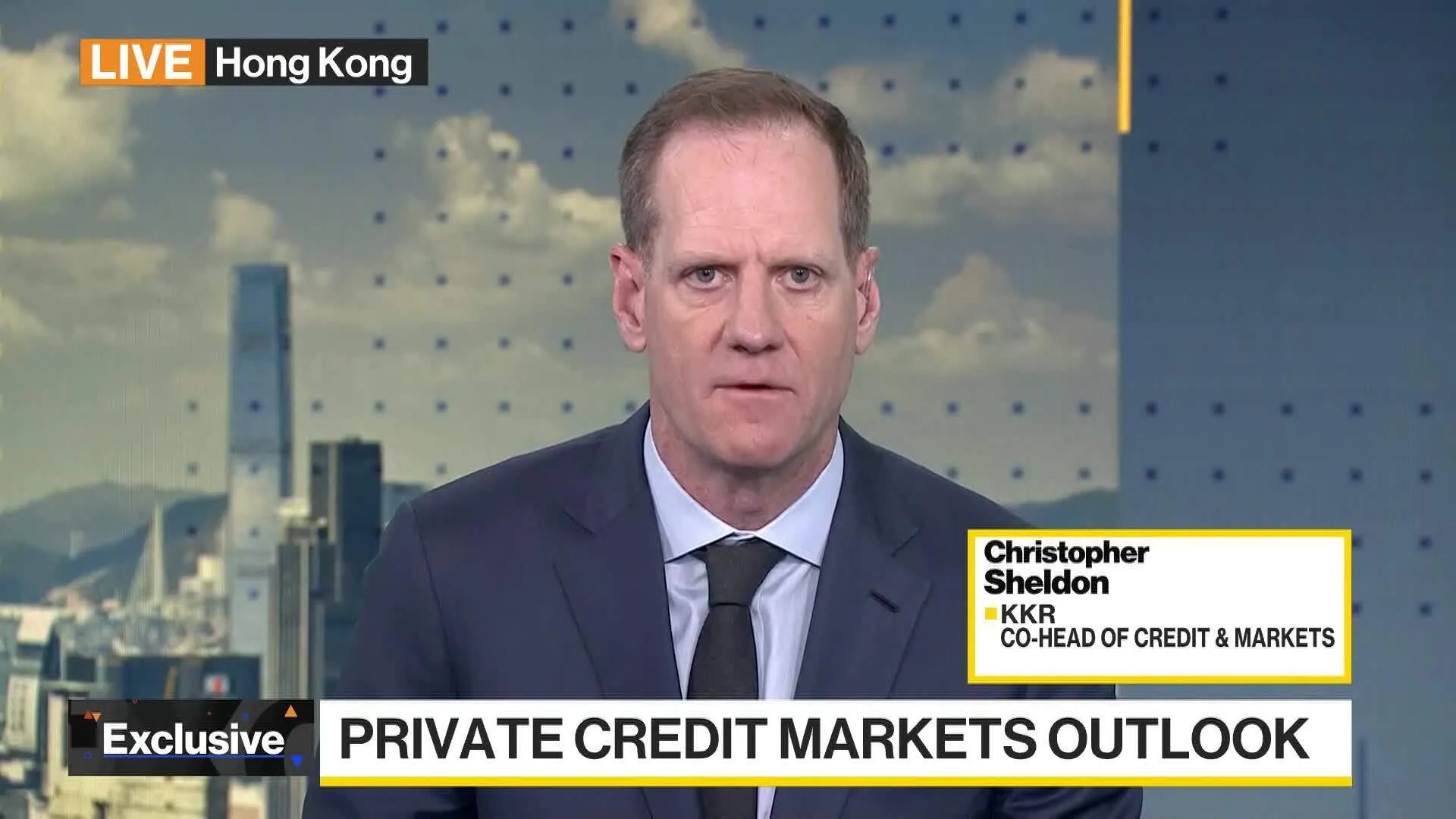
The guiding principle at the offices in Hudson Yards is currently clear: quality over returns. Sheldon emphasizes that now is not the time to take risks for a fraction of a percentage point more in yield. Instead, KKR is requiring its fund managers to pursue extreme diversification and a focus on “Asset-Based Finance” (ABF). By providing loans backed by hard assets, the firm is trying to build a buffer against the inflationary shocks associated with oil prices above $100. "In this market, you have to make a lot of mistakes to actually lose money if your portfolio is well-constructed," says Sheldon, pointing to the current returns of nearly 10 percent that serve as a cushion.
Stability Through Disciplined Management
Yet optimism is not the prevailing sentiment everywhere. Although the “wealth side”—the private sector of the credit market—drew extra attention this week after KKR capped capital calls on one of its funds at 5%, Sheldon puts this into a reassuring perspective. According to him, the fact that redemption requests exceeded 7% is not an indication of a fundamental problem, but rather the moment when the pre-determined fund structure proves its worth.
The so-called "cap" is not an emergency brake to be pulled only in the event of a panic, but a built-in safety valve that was already factored into the fund's design. Sheldon argues that maintaining this limit is essential to prevent the fund from having to sell assets at unfavorable prices. This prioritizes the stability of the investment for existing investors over the temporary liquidity needs of a minority. While the broader market sometimes reacts nervously to geopolitical tensions, he points out that KKR’s institutional base, which relies on this disciplined management, remains unshakeable.
New Investment and the Future in Asia
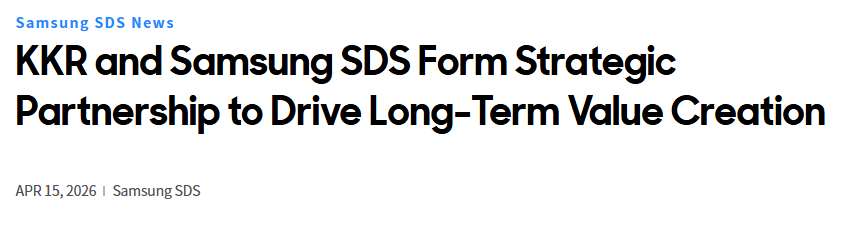
While the West is hitting the brakes, KKR is hitting the gas in Asia. The announcement of a strategic partnership with Samsung SDS, in which KKR is purchasing KRW 1.22 trillion (USD 820 million) in convertible bonds, sends a powerful signal. Samsung SDS, the IT arm of the powerful Samsung conglomerate, is set to become KKR’s gateway to the full-scale AI transformation in Asia. In a market still divided over the sustainability of the AI boom, the firm has thereby created an asymmetric position. On the downside, KKR is protected because the investment starts as debt, offering the security of a creditor should AI growth fall short of expectations. On the upside, the potential remains fully open, because in the event of a successful transformation and a rising stock price, KKR can convert the bonds into shares.
According to Sheldon, the choice of this sector is no coincidence, as software solutions in the business world are extremely "sticky." In an uncertain economy, replacing such systems is risky and costly. Asia also offers a unique opportunity because banks there still provide 80% of the financing, whereas in the U.S. and Europe they are losing ground to private lenders. KKR sees a massive “white space” here to be the first major player to offer flexible capital.
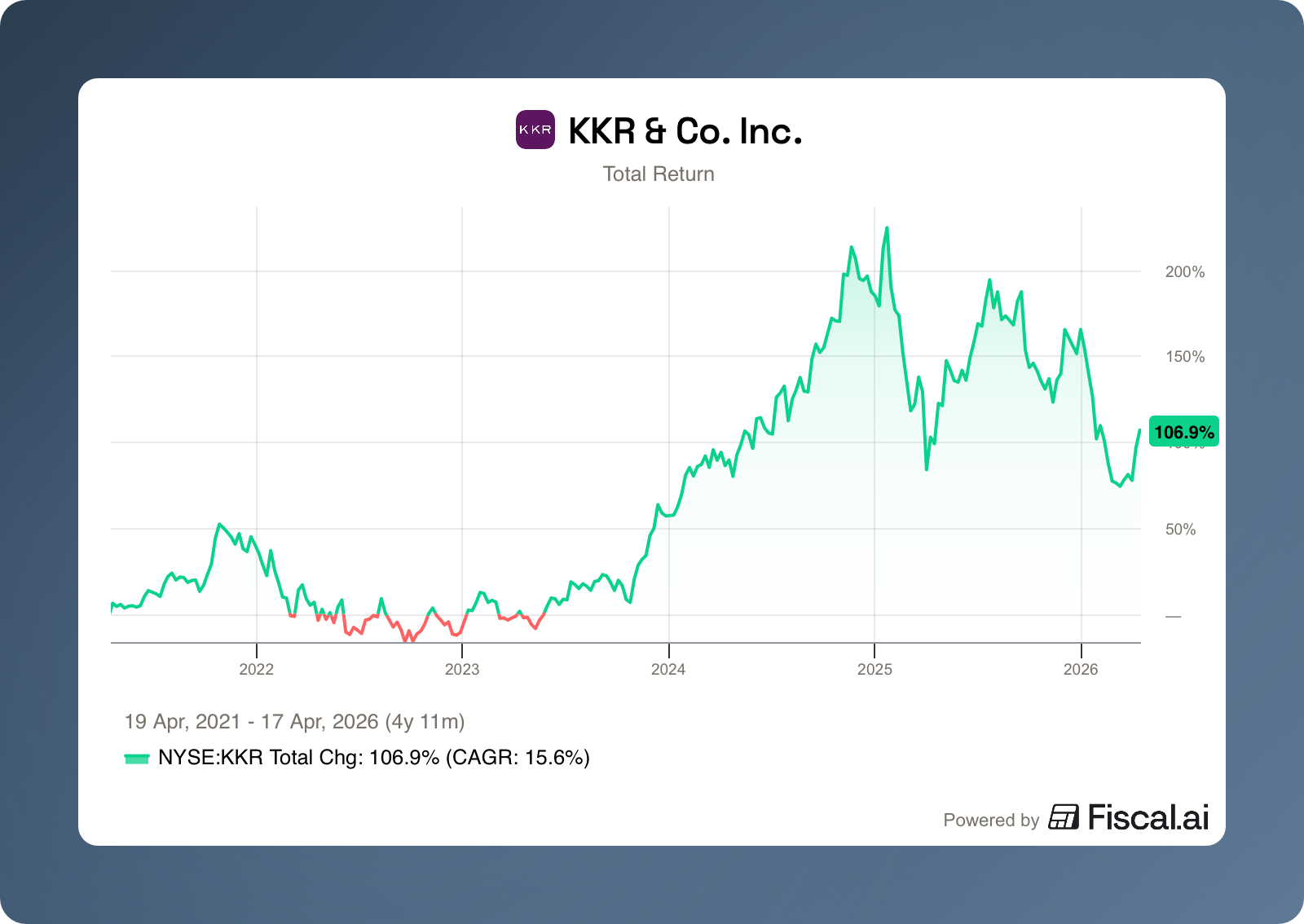
KKR is currently trading on the New York Stock Exchange at a price of $105.94 per share.
Heico is contributing to the Artemis II space mission
The American acquisition firm Heico (New York: Hei-A) has announced that three of its subsidiaries supplied mission-critical electronic components for NASA’s successful Artemis II mission. This ten-day crewed flight around the moon marked a significant milestone for space exploration and tested essential navigation and life support systems.
The companies involved are 3D PLUS, Exxelia, and VPT. France-based 3D PLUS developed critical memory systems for both the Space Launch System and the Orion spacecraft. The company has an impressive track record, with more than 25 years of experience in the sector and over 220,000 components in space.

Exxelia is also based in France and supplied capacitors and magnetic products that were integrated into the Orion spacecraft. The U.S. company VPT, based in Virginia, developed radiation-hardened converters and filter solutions. These VPT components were used in the Space Launch System’s onboard electronic systems (avionics) to ensure reliability under extreme conditions.
The executives of Heico’s subsidiaries and Heico’s management team have congratulated NASA on this achievement. Heico CEOs Eric Mendelson and Victor Mendelson have expressed their pride in having played a role in this space exploration milestone. With this, Heico reaffirms its role as a specialized supplier of highly reliable components for space hardware and advanced systems.
Heico is currently trading on the New York Stock Exchange at a price of USD 222.82 per share.
Receive weekly insights in your inbox
Exclusive analyses and updates on family holdings and global market developments.
Would you like more information about our services?
Contact us
Disclaimer:
No rights can be derived from this publication. This is a publication by Tresor Capital. Reproduction of this document, or parts thereof, by third parties is only permitted with written permission and with reference to the source, Tresor Capital.
This publication has been compiled with the utmost care by Tresor Capital. The information is intended in a general sense and is not tailored to your individual situation. The information should therefore expressly not be regarded as advice, an offer or a proposal to purchase or trade investment products and/or purchase investment services, nor as investment advice. The authors, Tresor Capital and/or its employees may hold positions in the securities discussed, either for their own account or for their clients.
You should carefully consider the risks before you start investing. The value of your investments may fluctuate. Past performance is no guarantee of future results. You may lose (part of) your investment. Tresor Capital accepts no liability for any inaccuracies or omissions. This information is for indicative purposes only and is subject to change.
Read the full disclaimer at tresorcapitalnieuws.nl/disclaimer .