
Family Holdings #5 - Holding companies benefit from secular megatrends



This week's topics:
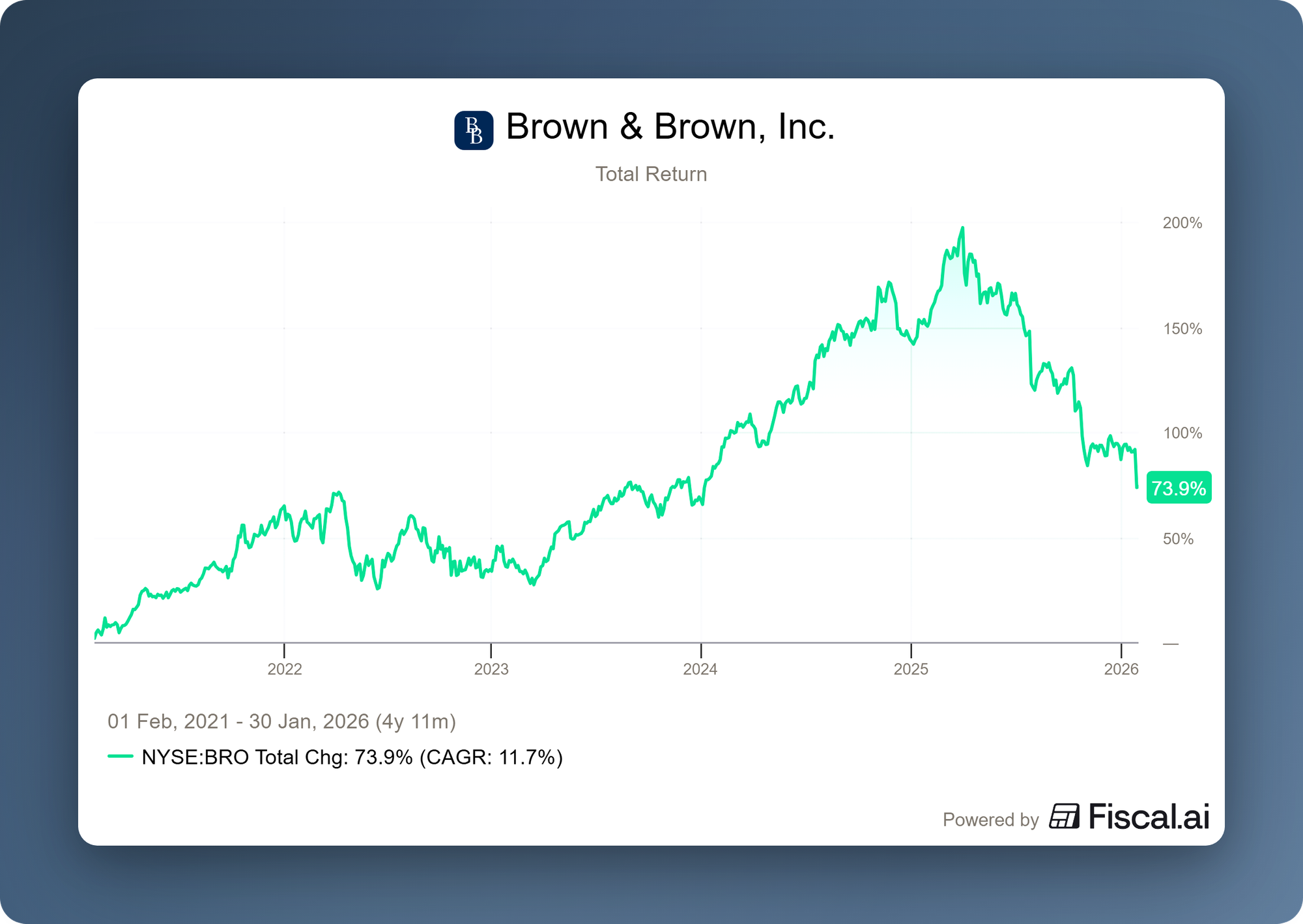
Brown & Brown made a strategic break with its traditional acquisition model in 2025 through the large Accession acquisition, shifting the focus from incremental growth to complex integration. The 2025 annual results showed strong revenue growth, but organic growth fell sharply, mainly due to headwinds in Specialty Distribution and an exceptionally weak fourth quarter, exacerbated by market softening and talent losses. For 2026, management expects only a modest recovery, while the promised synergies from Accession are not expected to become visible until closer to 2028.
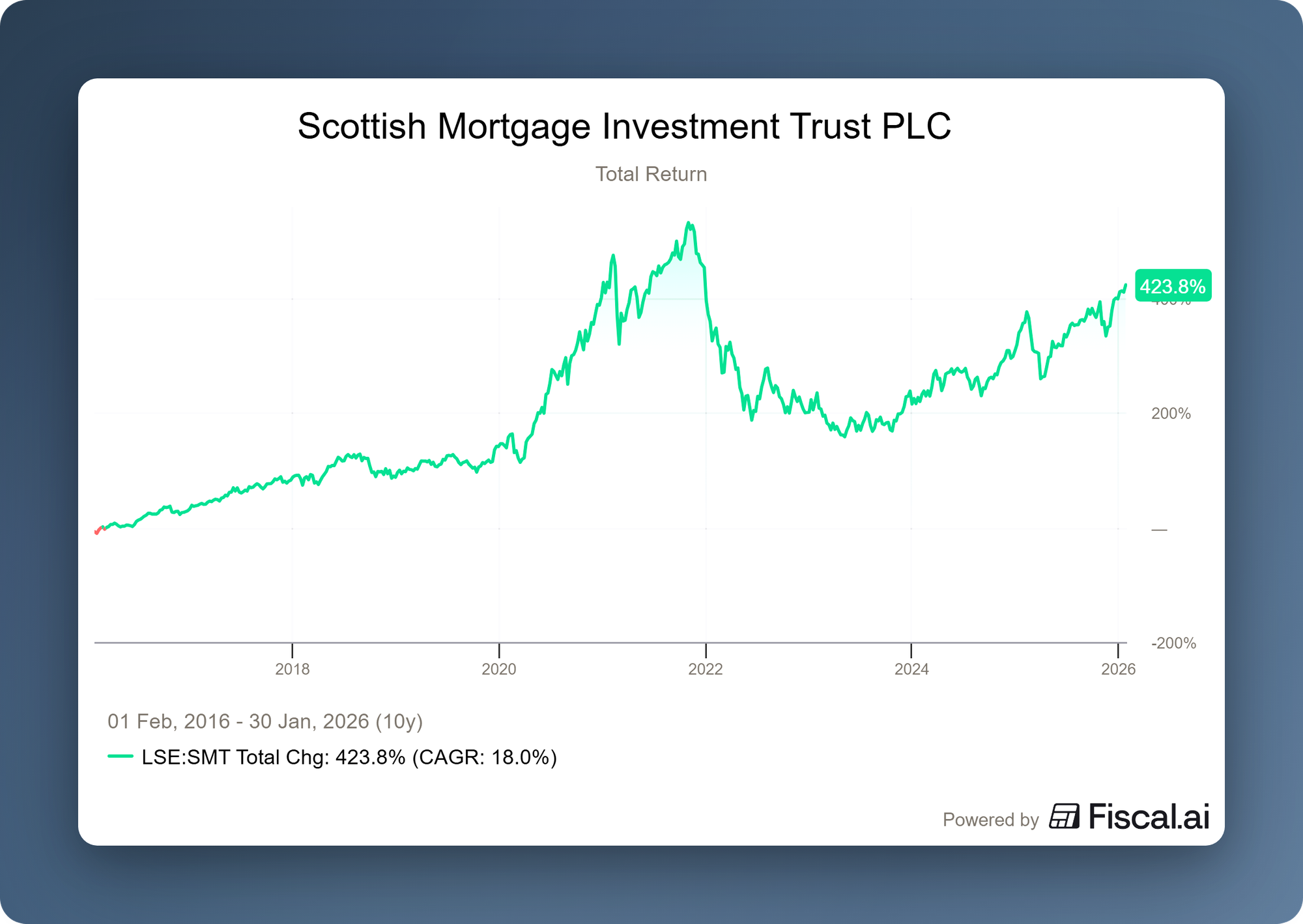
Scottish Mortgage Trust stands out for its extreme long-term focus on exponential growth, investing in disruptive companies such as SpaceX that have the potential to completely transform their markets. The strategy combines listed equities with private investments making up to 30% of the portfolio, and winners are only sold once the potential for further multiplication is considered limited. The trust prioritises maximising returns over capital preservation and focuses on future technologies rather than stable companies with a traditional competitive advantage.
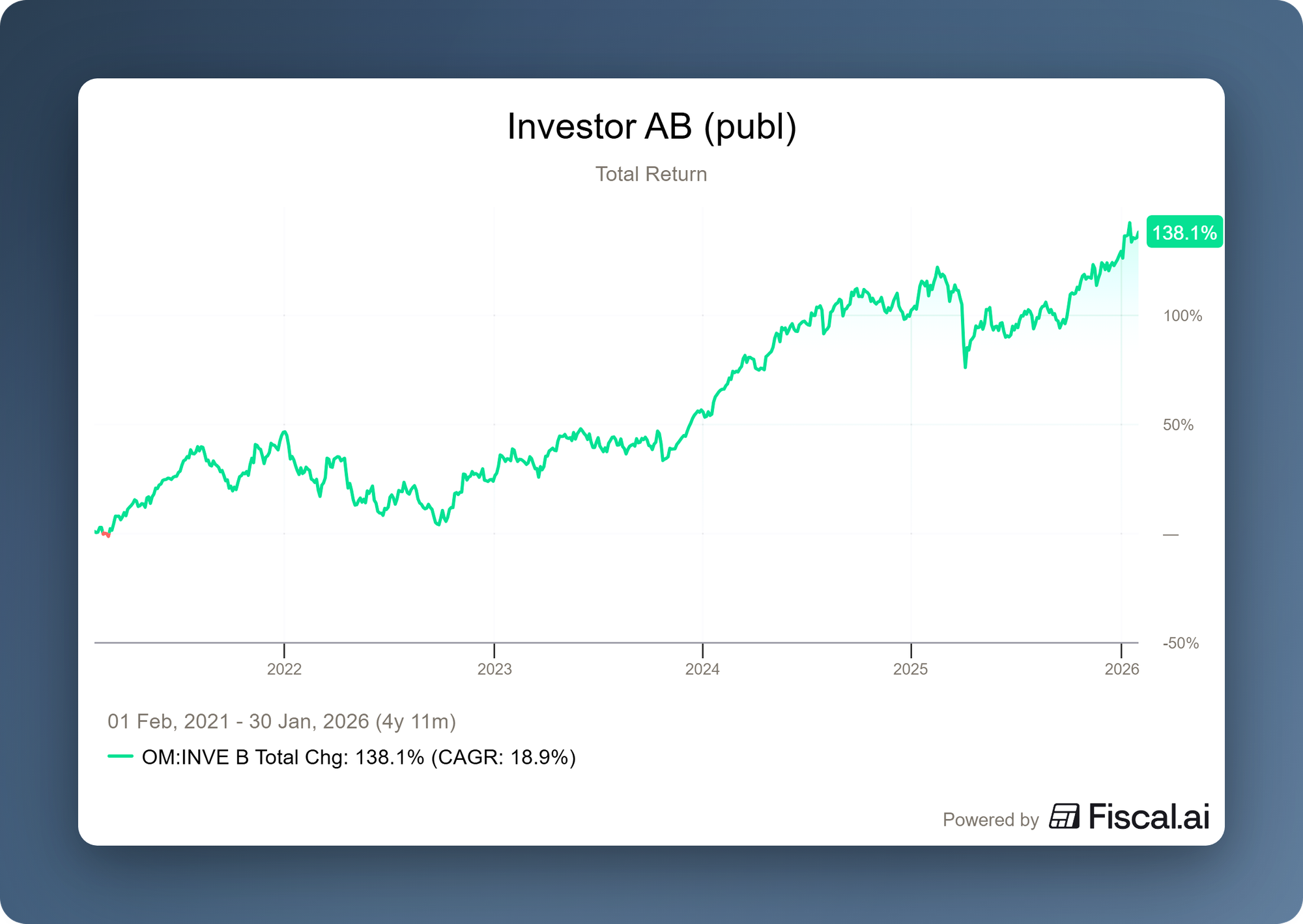
Investor AB combines an active long-term strategy with targeted exposure to the defence sector and artificial intelligence through core holdings ABB and Saab. Record orders at ABB, driven by the electrification of data centres for AI applications, and organic growth at Saab underline the strong momentum.
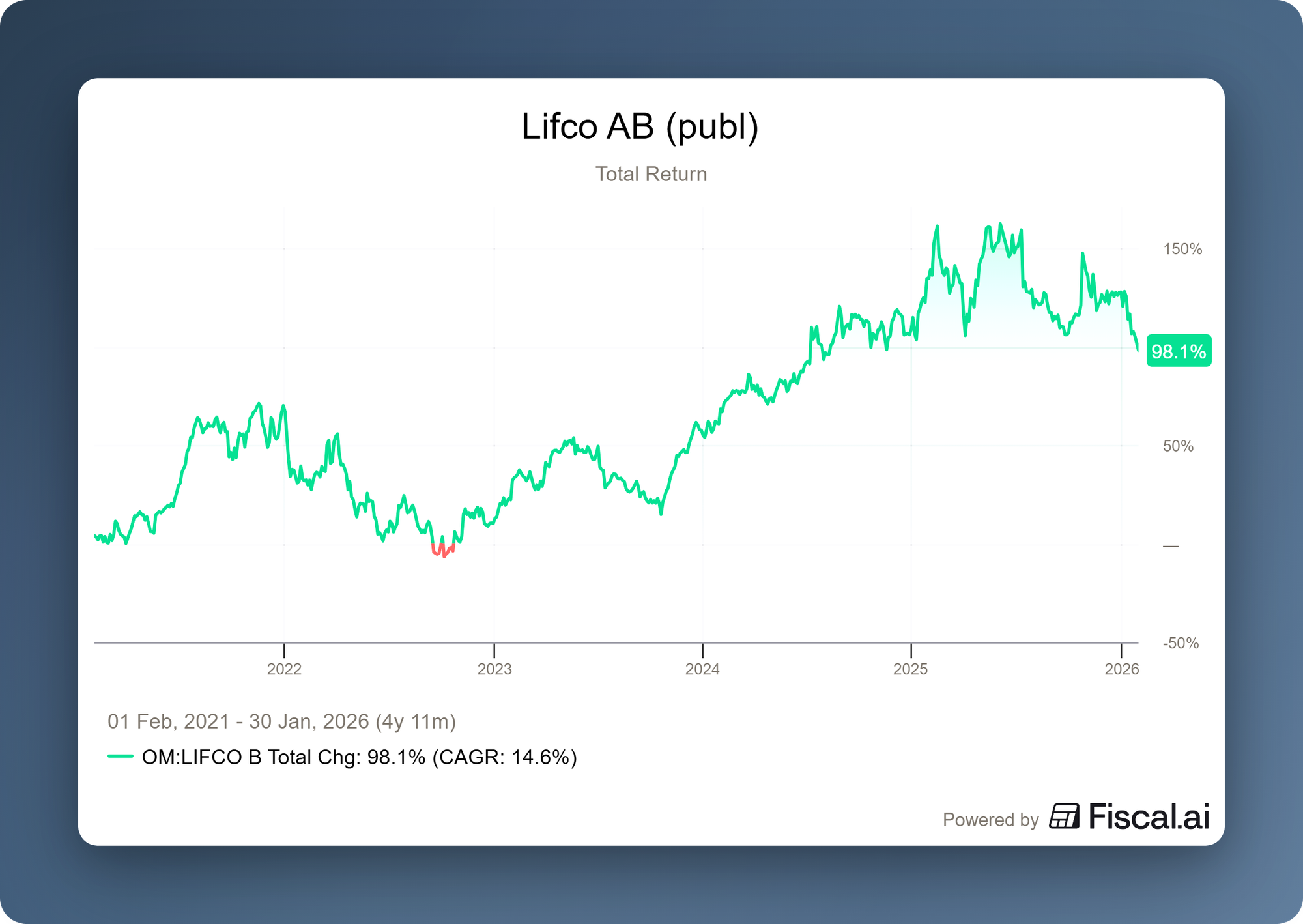
Lifco achieved revenue growth of 8.1% in 2025 through sixteen acquisitions of niche players with a competitive advantage and a strong focus on free cash flow. Operating profit rose to SEK 6.3 billion, with management placing the emphasis on value creation and capital efficiency. The CEO's purchase of shares worth approximately SEK 15 million underlines the confidence in the long-term value of the Swedish company.
In Brief:
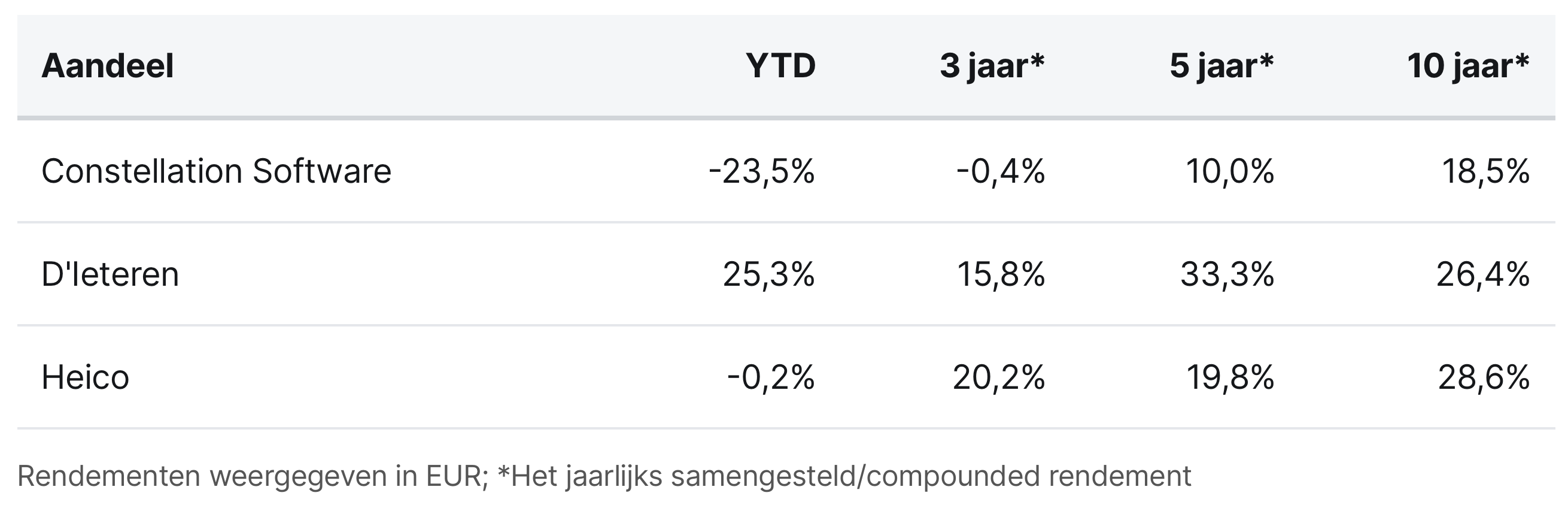
At Constellation Software (Toronto: CSU), the acquisition machine keeps running at full speed with two new domestic acquisitions. Subsidiary Jonas Software absorbed Ottawa-based Benbria, which supplies customer experience and feedback management software, while the Volaris division acquired TSI Auto Solutions. TSI specialises in data reporting for car dealers and, with its long history and small team of twenty employees, fits perfectly into the profile of business-critical vertical software.
D'Ieteren (Brussels: DIE) Automotive subsidiary Joule has secured an important contract for bicycle leasing to more than 70,000 Belgian federal civil servants. This award confirms the strategic value of the earlier acquisition of Joule in 2022 and should help the leasing fleet grow to at least 30,000 bicycles by 2030. The contract underlines D'Ieteren Automotive's shift from a pure car importer to a broader mobility player benefiting from the structural trend towards electric cycling and tax-driven greening.
Heico Corporation (New York: HEI.A) has completed the acquisition of the Fuel Containment division of Axillon Aerospace. This division, which will continue under the name Rockmart Fuel Containment, specialises in self-sealing fuel tanks for military helicopters and combat vehicles such as the F-16 and Apache. The acquisition fits precisely into Heico's strategy. It concerns a business-critical niche player with a rich history and stable cash flows, allowing the serial acquirer to benefit from sustained demand in the defence industry.
Constellation Software, D'Ieteren and Heico are currently trading on the Toronto, Brussels and New York exchanges at prices of CAD 2,548.50, EUR 192.90 and USD 253.05 per share, respectively.
Robust Action drives 3i Group higher
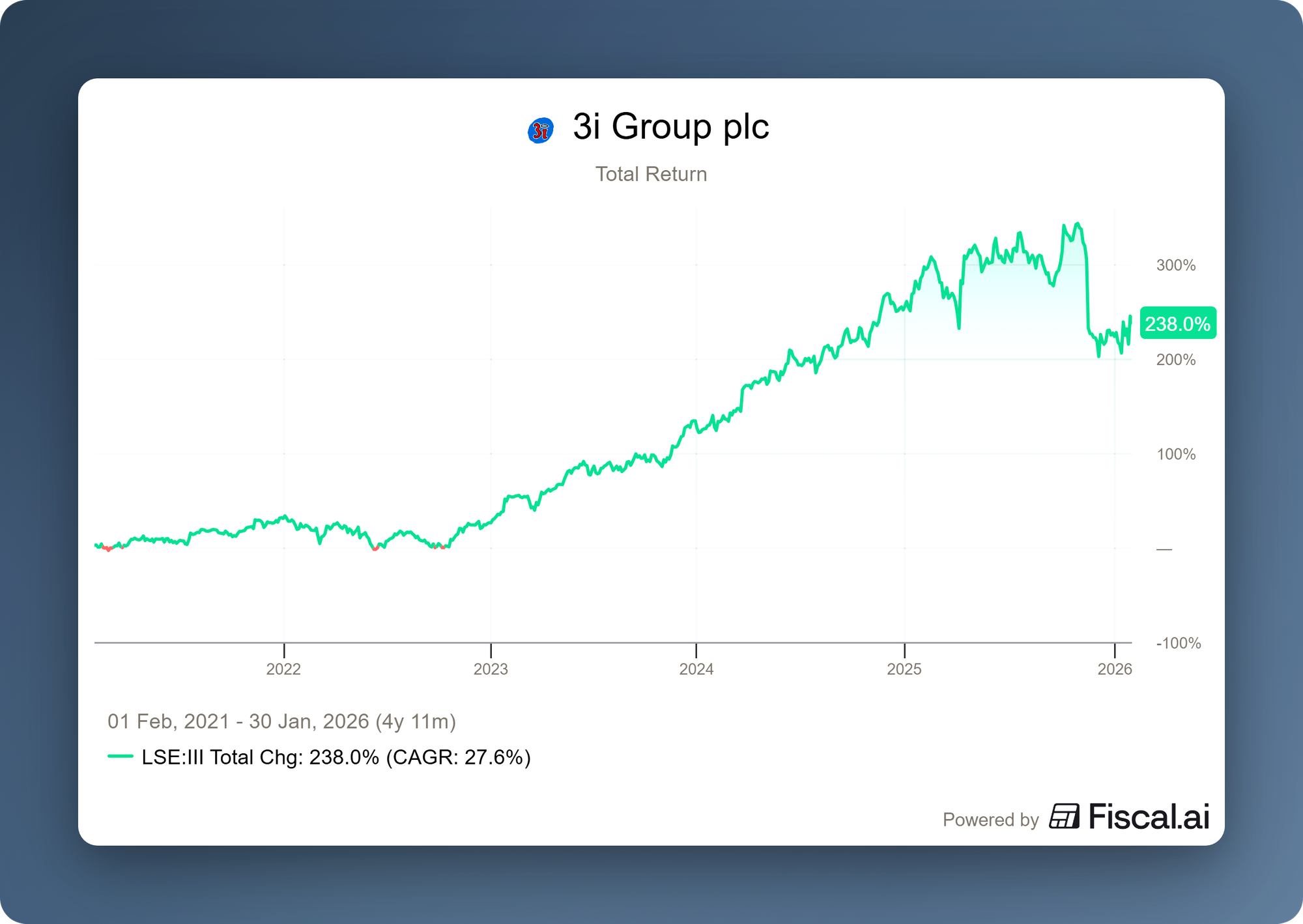
The British investment holding company 3i Group (London: III) presented robust results this week for the third quarter of the 2026 financial year. Despite the earlier predicted growth slowdown in France, the group's results and rising net asset value show that the investment company remains firmly on track.
Net asset value per share rose to 3,017 pence as at 31 December 2025. This represents:
- An increase of 5.6% compared with Q2 2025 (September).
- Growth of 18.7% over the first nine months of the financial year.
- An impressive increase of 22.8% compared with December 2024.
Action results
As management had predicted earlier, organic growth (like-for-like, LFL) came under pressure in 2025. This was primarily caused by a reticent consumer in France, which was the reason the share price reacted negatively over the past period. However, the figures show that, despite this specific headwind, the results remain robust.
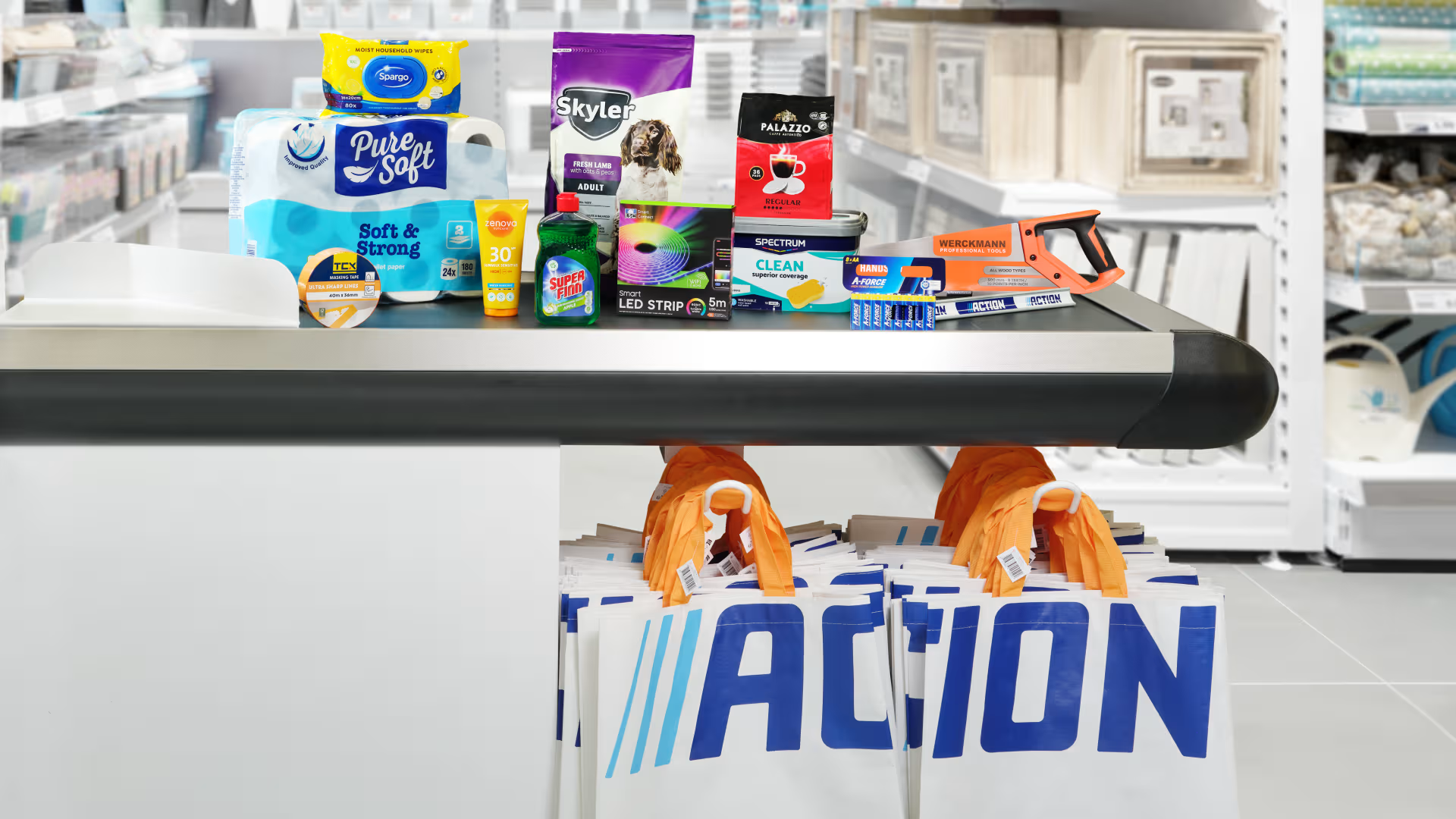
LFL sales growth for calendar year 2025 came in at 4.9%. This is somewhat lower than hoped, but according to management entirely attributable to the French market. Excluding France (which accounts for roughly a third of revenue), growth stood at 7.2%. Although the French market bottomed out in October and November with negative growth in the mid-single digits, December showed a recovery (flat growth). More importantly, this recovery appears to be continuing into 2026: in the first four weeks of the new year, France is recording LFL growth of 2.1%, while the group as a whole stands at 6.1%.
Alongside organic growth, expansion of the store network continues at a record pace. In 2025, Action opened no fewer than 384 new stores, a growth rate of 13%, bringing the total to 3,302 locations. This expansion is fully in line with the multi-year average of 13% to 14%, and given the enormous 'white space' identified by management and the successful entry into new countries, there is every confidence that this pace of growth can be maintained in the coming years as well.
Management underlines its confidence in the discount chain by acquiring an additional 2.9% stake, financed through the issuance of 3i Group shares. This brings 3i Group's total stake in Action to 65.3% (for comparison: this was 52.7% in 2022).
Remaining portfolio
Outside Action, the rest of the portfolio is also performing satisfactorily. Royal Sanders continues to perform strongly thanks to healthy volume growth and the successful integration of earlier acquisitions, which prompted 3i to invest an additional £56 million in the company this quarter. 3i Infrastructure (3iN) also contributed positively to the result; the underlying portfolio is performing well and the share price rose by 3%, meaning 3i's stake is now valued at over £1 billion.
In the healthcare sector, companies such as SaniSure and Cirtec are showing stable to even accelerating growth. There were also good operational contributions from Audley Travel and Luqom. The remaining holdings in the software and industrial segments generally remained stable, with the exception of Wilson, which is currently facing headwinds from a challenging recruitment market.
Conclusion
Although it is still too early to conclude that the problems in France have been fully resolved, the first set of results for calendar year 2026 shows a clear recovery. Management emphasises that the other major markets, including the Netherlands, Germany and Poland, continue to report impressive growth ranging from mid-single digits to double digits. It is possible that the years of organic growth between 8% and 10% are now behind us, but even at a growth rate of 5% to 6%, the business model remains extremely powerful when combined with an annual expansion of the store base of 13%.
3i Group PLC ended the trading week on the London Stock Exchange at a price of GBP 33.51 per share.
Brown & Brown continues its acquisition strategy, but the market remains challenging
Within Tresor Capital's investment philosophy, we take a critical view of large, transformative acquisitions. Whereas the American insurance company Brown & Brown (New York: BRO) has excelled for decades as a 'serial acquirer' of smaller, manageable companies, its acquisition of Accession (the parent company of Risk Strategies and One80) in 2025 marked a clear departure from that strategy. With a transaction value that at the time represented almost 30% of its own market capitalisation, the focus shifted from incremental growth to a large-scale integration task. For analysts, the recent full-year 2025 results therefore formed the first real benchmark for determining whether the ambitious synergies justify the operational risks.
The results
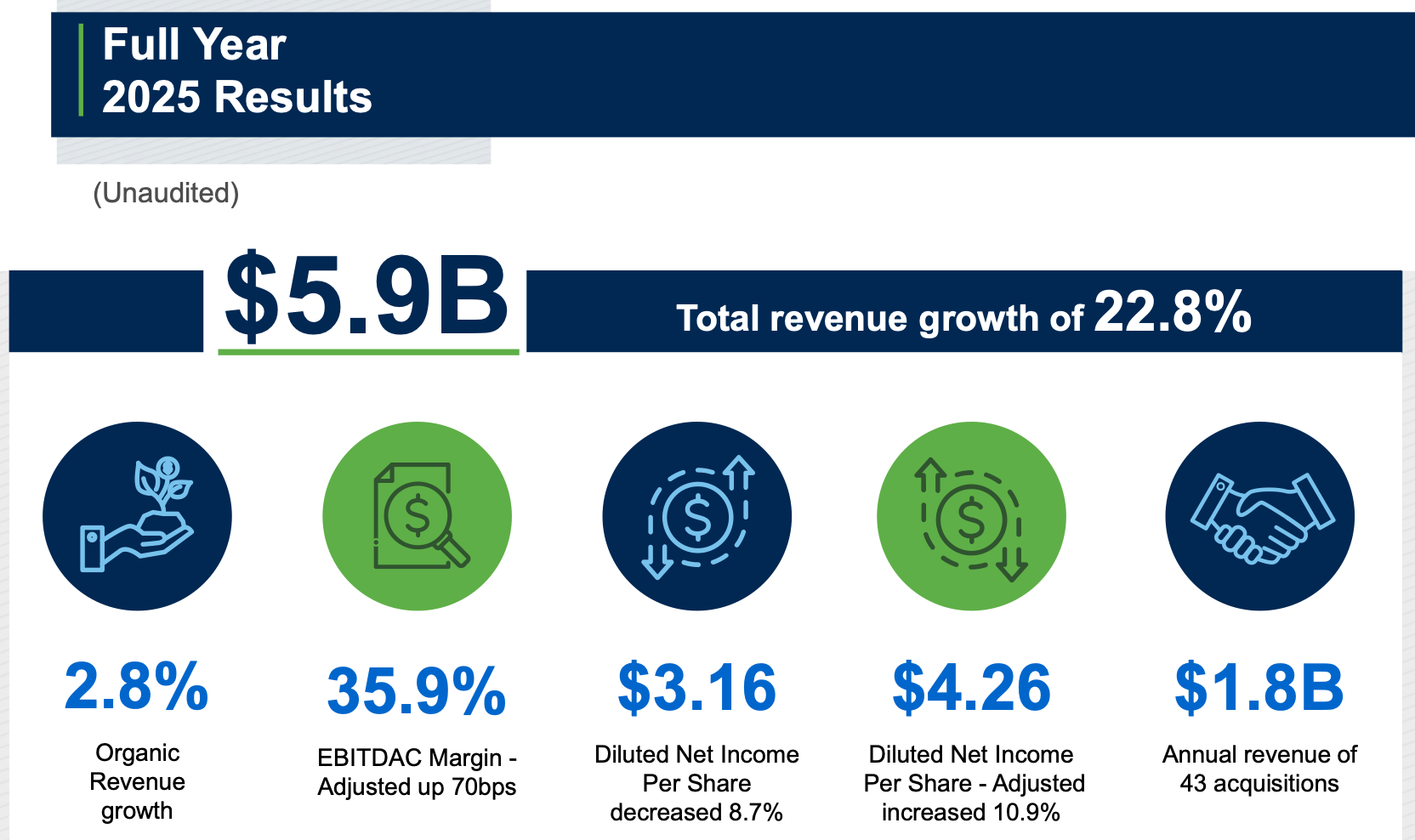
At first glance, the reported results appear robust, with total revenue growth of 22.8% and strong margins. However, for a company growing so aggressively through acquisitions, organic growth is the only pure gauge of the true health of the portfolio and its market position. In this respect, Brown & Brown fell short over the past year. With organic growth of just 2.8% for the full year, and even a negative outlier in the last quarter, there is a clear correction relative to the five-year average, which stood at around 8-10%.
Management points to a combination of circumstances:
- Multi-year policies: In the fourth quarter of 2024, many long-term contracts were signed, creating an unfavourable comparison for the current figures.
- One-off items: Adjustments to incentive commissions turned out higher than anticipated, dampening growth by around 100 to 150 basis points.
- Project delays: Several projects have been pushed back to 2026, which increased short-term pressure but provides a buffer for the near future.
The challenges in the fourth quarter were particularly unmistakable within the Specialty Distribution segment. Although management had already prepared the market for a decline of 4% to 6% during the third-quarter results presentation, the eventual organic decline of 7.8% turned out to be even steeper than feared.
CFO Watts pointed to the exceptionally high bar set in the previous year; back then, revenue had been boosted by a uniquely high volume of claims following large-scale flooding ($28 million in processing revenue). This unfavourable basis for comparison was compounded in the last quarter by a faster-than-expected rate decline in the catastrophic property insurance market (CAT property). In addition, the segment saw part of its binding authority business flow back to the regular, admitted market (admitted market). This combination of factors put pressure not only on revenue but also on margins in this specific segment, underlining the need for operational adjustments in 2026.

Legal battle and integration challenges
Alongside the disappointing organic growth, the transition phase is being complicated by a fierce battle for talent. In a coordinated move, an American start-up managed to lure away 275 employees and roughly $23 million in revenue from Brown & Brown. It was therefore no surprise that the first question during the Q&A session zoomed in on this issue. Analysts openly wondered whether there is a fundamental problem with the culture or the compensation structure that led such a large group to be willing to switch to a smaller start-up. CEO Powell Brown immediately countered this by stating that, in his view, this is not a sign of a failing culture, but rather a "highly unusual" and coordinated attack by a competitor.
Accession acquisition
Furthermore, a great deal of attention was naturally focused on what management had to say about the status of the Accession integration. The first results after the acquisition, however, gave food for thought: with realised quarterly revenue of $405 million, the direct impact fell short of market expectations, which had been aiming for a range between $430 and $450 million. Nevertheless, management preaches patience. They emphasise that the integration is proceeding according to plan and that the targeted synergy benefits of $30 to $40 million will only become fully visible in the figures over the course of 2028. For investors, this means keeping an eye on the distant horizon, while short-term results navigate a somewhat uncertain transition phase.
Expectations for 2026
This transition phase is far from guaranteed. Although management addressed stakeholders with confidence during the recent earnings call, expectations for 2026 were immediately tempered. Management speaks of a "moderate improvement", with the first half of the year remaining challenging. For the Specialty Distribution segment, flat organic growth is even expected in the first quarter. This is partly the result of a normalisation in the market; the period of the so-called 'hard market', characterised by rising premiums and strict terms, is showing signs of softening, particularly in the property segment. In such a 'soft market', organic growth is less of a given, and the emphasis inevitably shifts towards market share and operational efficiency.
On top of that, the current interest rate climate is a double-edged sword. While falling interest rates can stimulate broader economic activity and thereby demand for insurance, they also directly weigh on the investment income from fiduciary funds under management. Brown & Brown must now prove that its business model is robust enough to create value without the tailwind of a hard market and high interest rates. The realisation of the synergies in 2028 remains the point on the horizon, but the road there in 2026 above all requires a critical look at the fundamentals.
Brown & Brown is currently trading on the New York stock exchange at a price of USD 72.28 per share.
Scottish Mortgage focuses on the long term
Last week, an extensive interview appeared in the Belgian newspaper De Tijd with Scottish Mortgage Trust (London: SMT) director Tom Slater. De Tijd journalist Serge Mampaey puts it aptly in the introduction to the article:
The British trust was established in 1909 to provide credit to Malaysian plantations. At the time, that was a high-risk endeavour with potentially enormous returns, a philosophy that still applies today.
Thanks to early investments in companies such as internet giant Amazon, streaming giant Netflix, electric car maker Tesla and chip machine marvel ASML, SMT grew into the second-largest holding company on the London Stock Exchange, behind Action owner 3i.
Scottish Mortgage distinguishes itself in the world of holding companies through a pronounced focus on exponential growth. The investment company looks for companies that have the potential to completely disrupt their markets and then holds them for a very long time. Slater stresses that short-term results are irrelevant in this respect.
"Quarterly results barely matter to us. We look at ten years or more," says Slater.
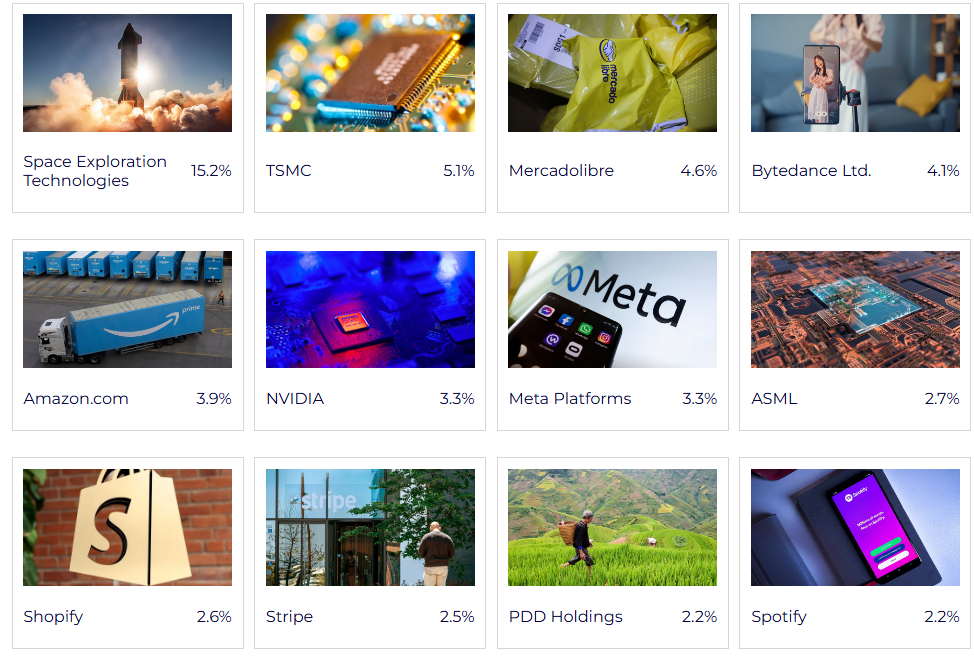
The strategy relies on the principle that a small number of extreme winners determine the returns of the entire portfolio. A clear example of this is the position in SpaceX. SMT invested a total of USD 200 million in Elon Musk's space company. This investment has since grown to a value of USD 3.3 billion. This illustrates the power of holding on to winners for the long term. "That shows the potential of tracking hyper-growers for a very long time. It makes up for the bad investments," says Slater.
The valuation of SpaceX, which was recently valued at USD 800 billion, is justified according to Slater given the company's dominant position and the enormous commercial opportunities presented by falling launch costs and satellite communications.
Scottish Mortgage was one of the guest speakers at our relationship day in November 2025. You can read a report of this via the link below:
 Michael Gielkens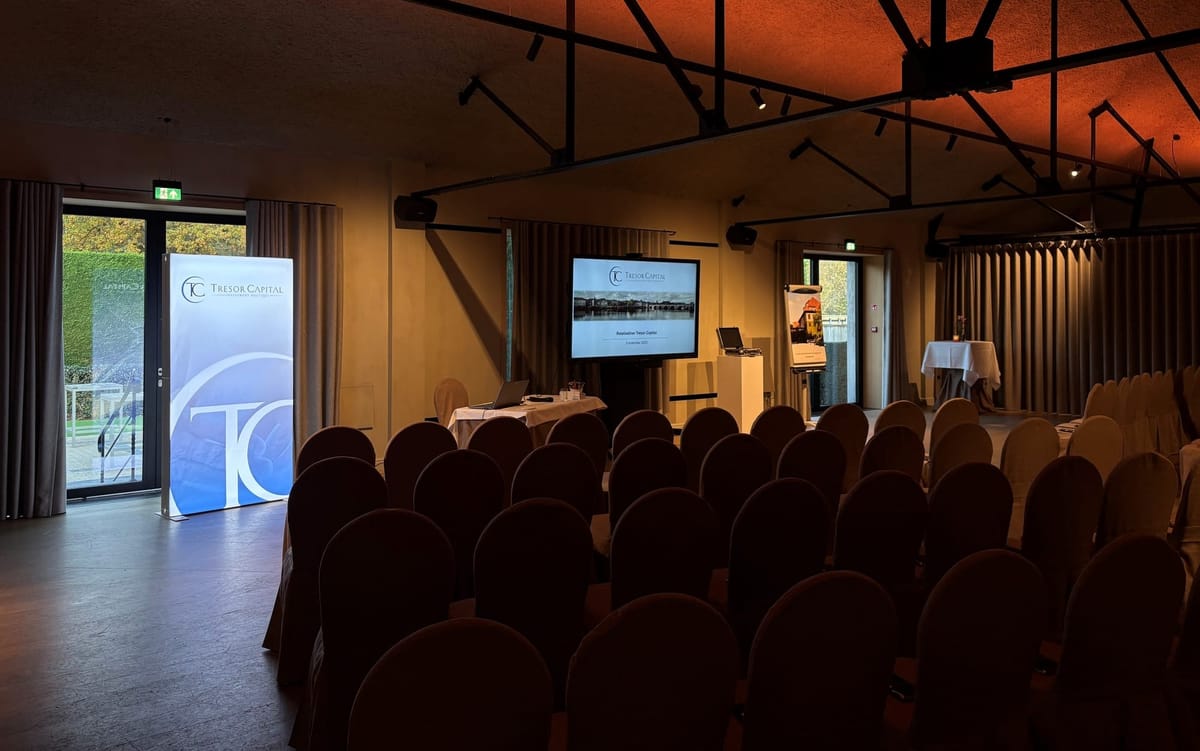
Discipline in valuation
Although the philosophy revolves around holding on to winners, valuation is an essential factor in sell decisions. SMT has recently reduced its positions in both Tesla and Nvidia. This decision was not based on a lack of confidence in the companies, but on the limited scope for further multiple expansion.
"Does this stock have the potential to, say, quintuple again?" was the question Slater asked himself about Tesla after the share price surge around the US elections. The answer was: probably not. Yet admiration for Musk remains intact. "Elon Musk has often proven capable of doing the near impossible. I wouldn't bet against him."
Private markets and relationships
An important part of the strategy is access to private companies and building long-term relationships. SMT is allowed to invest up to 30 percent of the portfolio in unlisted companies. An important position within this is ByteDance. The recent developments surrounding the forced sale of the American division are being received positively. "If the deal gets finalised, then ByteDance becomes a story that will sit better with investors," says Slater. Besides SpaceX and ByteDance, SMT also holds stakes in the AI developer Anthropic, the cloud software company Databricks, the payments technology company Stripe and the fintech bank Revolut. This means it holds six of the ten most valuable private companies in its portfolio.
Maintaining relationships with management teams is crucial for discovering new opportunities. By being a shareholder in companies such as Alibaba and Tencent for many years, SMT gained access to new investment opportunities in China. Even with companies in which they are not currently shareholders, such as Alphabet, the lines remain open thanks to contacts from the past.
Future technology
SMT's outlook remains focused on the future, with an emphasis on artificial intelligence, the energy transition and healthcare. Slater sees major opportunities in companies that are transforming the physical world, such as Aurora in autonomous transport and Zipline in logistics drone solutions.
The director is clear about the holding company's risk profile. Investors looking for stability and capital preservation are at the wrong address with SMT. "If you're looking for Buffett-style quality companies with stable growth and a wide moat around them, you shouldn't come to us," Slater warns. "For us, the question of how you can make money is far more important than the question of how you can avoid losses."
Scottish Mortgage Investment Trust ended the trading week on the London Stock Exchange at a price of GBP 12.56 per share.
Investor AB benefits from artificial intelligence and defence
The Swedish investment holding company Investor AB (Stockholm: INVE-B) may be more than 100 years old, but that certainly does not mean that the Wallenberg family's company is failing to keep up with the times. Through its active role on the supervisory boards, Investor AB steers the long-term strategy of the companies in its portfolio, with a clear focus on future readiness. As a result, the holding company is once again this year reaping the rewards of its exposure to the defence sector and artificial intelligence (AI).
The industrial giant ABB is by far the most important position within the holding company, accounting for 17% of net asset value. Saab, as the third-largest position, also occupies a prominent place, representing 10% of net asset value. Both recently reported strong figures.

Record orders and AI boost at largest holding
ABB is benefiting optimally from the energy transition and the rise of artificial intelligence. The company saw order intake increase by 36% in the fourth quarter to a record level of USD 10.32 billion. Revenue rose by 13% to USD 9.05 billion and operational EBITA increased by 19% to USD 1.58 billion. Demand for the electrification of data centres in particular is growing explosively due to the worldwide rollout of AI applications. This specific division now accounts for 9% of total group revenue, and ABB works with partners such as Nvidia in this area.
CEO Morten Wierod states that geopolitical uncertainty has become the new normal, but that customers nevertheless keep investing in long-term trends such as automation. Management underlines its confidence in the future with a dividend increase to CHF 0.94 and a new share buyback programme worth up to USD 2 billion. For 2026, the group is targeting comparable revenue growth of 6% to 9%. The market reacted positively to these growth prospects, which contributed to analysts upgrading the stock to buy ratings. The share has already risen by 12% in 2026.

Structural tailwind for the defence sector
The changing geopolitical reality is generating persistent and structural demand for security and advanced defence systems. Saab has a clear competitive advantage in this niche and reported organic revenue growth of 23.4% for the full year 2024. This result was well above the earlier guidance of 15% to 20%. In the fourth quarter, organic growth was as high as 29.3%, with revenue of SEK 20.9 billion. Investors recognise the company's strategic value and strong momentum. This confidence translates into a solid share price increase of 30% since the start of 2026.
Through our position in Investor AB, we indirectly benefit from the operational strength and unique competitive position of ABB and SAAB. With the continued focus of companies and governments on long-term investment in AI infrastructure and security, Investor AB, with these two heavyweights in its portfolio, holds a winning hand.
Investor AB ended the trading week on the Stockholm exchange at a price of SEK per B share.
Lifco shows resilience as CEO significantly increases stake
The Swedish serial acquirer Lifco (Stockholm: LIFCO-B) has once again demonstrated the strength of its decentralised business model with its 2025 results. In a year characterised by shifting market conditions, the company managed to further increase revenue and profitability, while cash flow even grew at a double-digit rate. Lifco continues to adhere to its successful strategy of acquiring profitable niche players with a clear competitive advantage and strong cash flows.
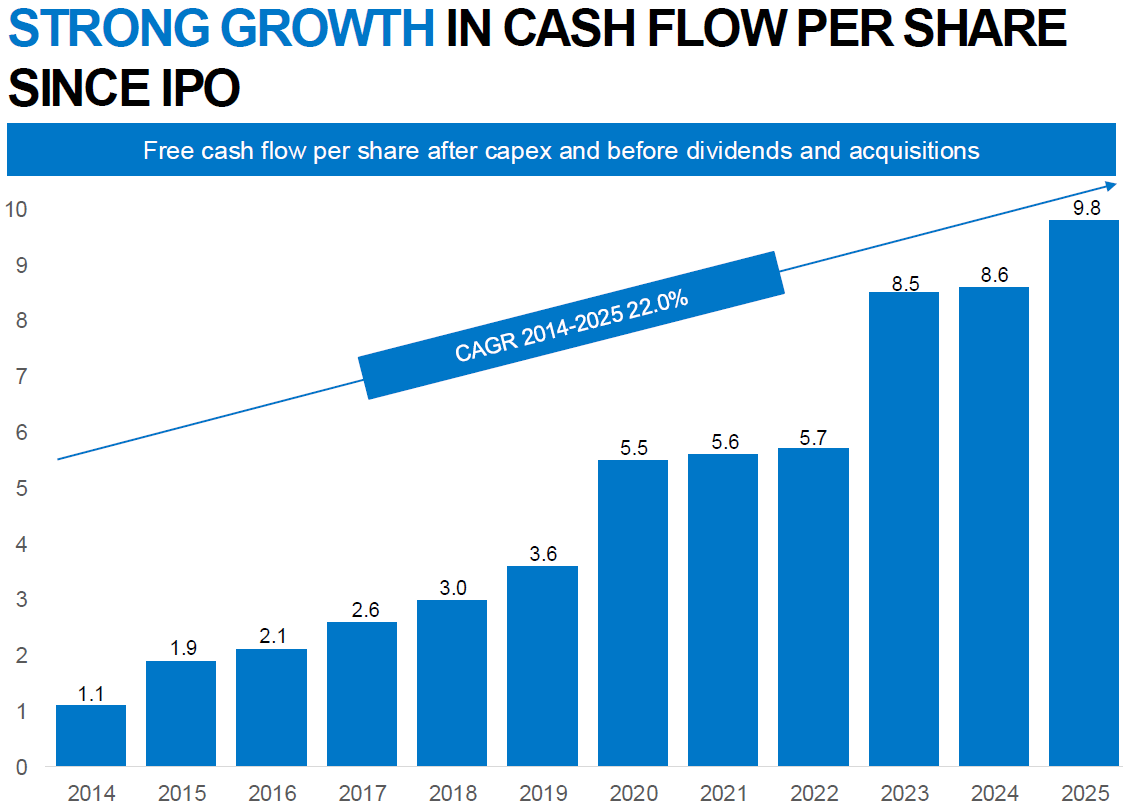
Management's focus is primarily on growth in free cash flow per share, which is regarded as the ultimate measure of long-term value creation. Since its stock market listing in 2014, free cash flow per share has grown at a compound annual growth rate (CAGR) of 22%. This cash flow is available for dividend distributions and is used to continue investing in new acquisitions. Operating cash flow rose by 22.8% in the fourth quarter to SEK 2 billion. This result is partly due to a strict focus on working capital management and the company's asset-light structure.
In addition to the development in cash flow, Lifco also showed growth in revenue and profitability. Revenue increased by 8.1% in 2025 to SEK 28.2 billion. This increase was driven by both organic growth and acquisitions, with the organic component amounting to 4.2%. Operating profit (EBITA) rose by 6.8% to SEK 6.3 billion, with the margin remaining at a high level of 22.4%.
The Systems Solutions division was the clear driver in the fourth quarter, while Dental and Demolition & Tools demonstrated their defensive strength, despite significant currency headwinds that weighed on reported growth.
Strategic acquisition
Lifco continues to deploy the cash flow it generates for targeted acquisitions. In 2025, a total of sixteen companies were added to the group. Today the company announced the acquisition of Ethoss Regeneration. This UK-based company develops and sells advanced synthetic bone graft material for dental implantology. Ethoss generated revenue of approximately GBP 4.3 million in 2024.
CEO shows confidence with share buyback
An important signal for shareholders is the share purchase by CEO Per Waldemarson. Notifications of insider transactions show that, at the same time as the results were reported, he bought a block of 50,000 Lifco shares at an average price of SEK 300.60. This represents a total investment of approximately SEK 15 million. Such purchases by management confirm that the interests of executives are aligned with those of shareholders and demonstrate great confidence in the company's long-term value. Insiders can sell their shares for all kinds of reasons, but generally buy for only one reason: they consider the company attractively valued and expect the share price to rise.
Lifco ended the trading week on the Stockholm exchange at a price of SEK 306.20 per share.
Receive weekly insights in your inbox
Exclusive analyses and updates on family holding companies and global market developments.
Would you like more information about our services?
Get in touch
Disclaimer:
No rights can be derived from this publication. This is a publication of Tresor Capital. Reproduction of this document, or parts of it, by third parties is only permitted after written consent and with reference to the source, Tresor Capital.
This publication has been compiled with the greatest possible care by Tresor Capital. The information is intended in a general sense and is not tailored to your individual situation. The information should therefore explicitly not be regarded as advice, an offer or a proposal to purchase or trade investment products and/or to make use of investment services, nor as investment advice. The authors, Tresor Capital and/or its employees may hold positions in the securities discussed, for their own account or on behalf of their clients.
You should carefully consider the risks before you start investing. The value of your investments may fluctuate. Past performance offers no guarantee for the future. You may lose (part of) your invested capital. Tresor Capital disclaims any liability for any inaccuracies or errors. This information is purely indicative and subject to change.
Read the full disclaimer at tresorcapitalnieuws.nl/disclaimer .
This article was translated automatically from Dutch using AI. In case of any difference, the Dutch original prevails. Read the original in Dutch.