Family Holdings #50 - TerraVest and SpaceX: rocketing upward



This week's topics:
TerraVest delivered excellent results in a challenging financial year 2025, with revenue growth of 50% and an 18% increase in free cash flow per share. The growth was driven by a record amount of acquisitions, including the recent expansion into water management through subsidiary Green Energy Services. The proven strategy of acquiring and optimising family businesses continues to create value and significantly lowers effective acquisition multiples. For 2026, the focus shifts to the integration of Entrans, recovery in the transportation market and capturing opportunities within defence and data centres.
SpaceX's potential valuation leap to $1.5 trillion acts as a powerful tailwind for our portfolio, with Alphabet's early stake potentially exploding to well over $100 billion and opening up strategic options for data centres in space. For Scottish Mortgage, SpaceX already represents the largest position, which in this scenario could triple in value to around $4.5 billion. In addition, Sofina may indirectly benefit as well, via Sequoia Capital.
The German investment holding company MBB announced this week that it will make use of its authorisation to buy back own shares. The board of the German family holding company currently sees a significant undervaluation in the share price.
In Brief:
Sofina (Brussels: SOF) is investing in Qargo as part of a $33 million funding round, alongside venture capital firm Balderton Capital. The Ghent-based developer of transport software saw its recurring revenue grow fivefold within eighteen months and is using the new capital for further international expansion into the United States.
Topicus (Toronto: TOI) is entering the Romanian market with the acquisition of Sobis, a provider of software solutions for local governments and tax collection. The acquisition adds mission-critical applications to the group and expands its geographic presence in Eastern Europe.
Addtech's (Stockholm: ADDT) Automation division is taking an 80% stake in the Austrian company Cubro Acronet GesmbH, a provider of network monitoring and security solutions. The company generates annual revenue of around €15 million with 37 employees and will be added to the IT & Sensors business unit. The transaction is expected to be completed in early January 2026.
3i Group (London: III) subsidiary Evernex, a global leader in data centre maintenance services, is acquiring Morocco's Sunrise Technologies to strengthen its activities in North Africa. Sunrise specialises in the maintenance of complex IBM storage systems and virtualisation technology. The acquisition expands the technical capacity of Evernex's service centre in Casablanca.
Prosus (Amsterdam: PRX) investee company Meesho has obtained a stock market listing, making it the first horizontal e-commerce marketplace in India to become publicly traded. Prosus remains involved as the largest shareholder in the platform, which targets India's fast-growing mass market.
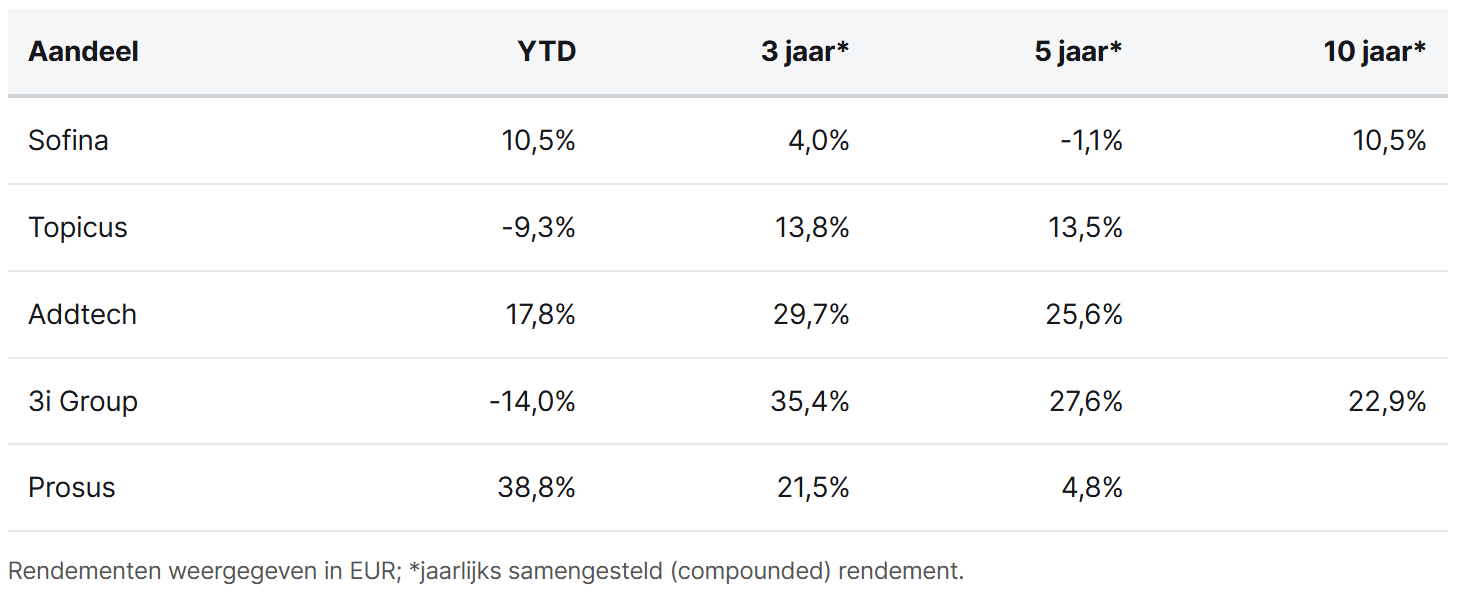
Sofina, Topicus, AddTech, 3i Group and Prosus are currently trading on the Brussels, Toronto, Stockholm, London and Amsterdam stock exchanges at prices of EUR 238.20, CAD 121.99, SEK 334.40, GBP 31.28 and EUR 53.25 per share, respectively.
Scottish Mortgage triumphs in Clash of the Conglomerates
In the 276th edition of Mister Market Magazine, Tresor Capital partner Michael Gielkens took part in the expert panel for the annual "Clash of the Conglomerates". In this competition, organised by Pierre Huylenbroeck, ten holding companies from various countries were put under the microscope. After the preliminary rounds, four finalists remained, who were assessed by a five-person jury.
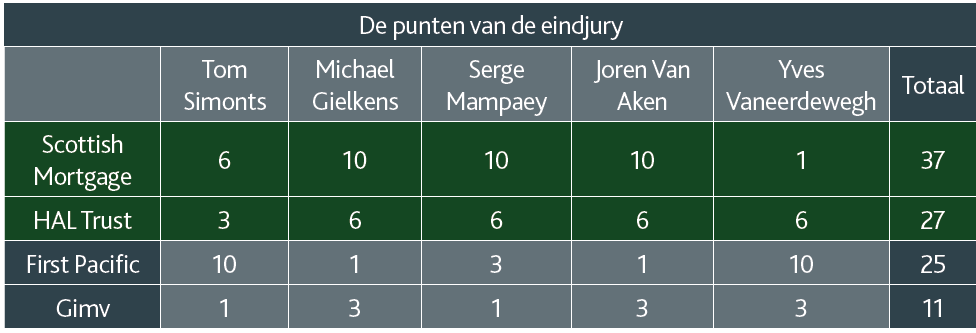
Alongside Michael Gielkens, the panel consisted of Tom Simonts (KBC), Serge Mampaey (De Tijd), Joren Van Aken (Degroof Petercam) and Yves Vaneerdewegh (Selectum). The aim was to determine which holding company would take over the title of 'Best Holding Company in the World' from previous winners such as Constellation Software and Sofina.
The winner of this edition is Scottish Mortgage Investment Trust. With a total of 37 points, the Scottish trust finished comfortably ahead of the runner-up, HAL Trust. Below you will find the full scoring of the final jury:
In the magazine, Gielkens' contribution was shortened, but for Tresor Capital's relations, the full and unedited analysis of the finalists and the favourite runners-up follows below.
The ranking of the four finalists
1) Scottish Mortgage
This is without doubt the favourite and an important position in the Tresor Capital portfolio. The holding company is characterised by its focus on 'outliers', and the knowledge that only a fraction of all companies is responsible for all value creation on the stock market. What makes Scottish Mortgage unique in this respect is its access to the private market. Where many investors are limited to listed names, this holding company offers access to companies that are not yet publicly traded.
The portfolio consists of around 30% such private companies, including space pioneer SpaceX, ByteDance (the parent company behind TikTok), fintech giant Stripe and AI challenger Anthropic. These are companies that are fundamentally changing the economy. For the long-term investor, this is the way to gain exposure to these winners, which are not available through the regular stock market.
An extensive report on the presentation given during the recent client day can, incidentally, be read in the article below.
 Michael Gielkens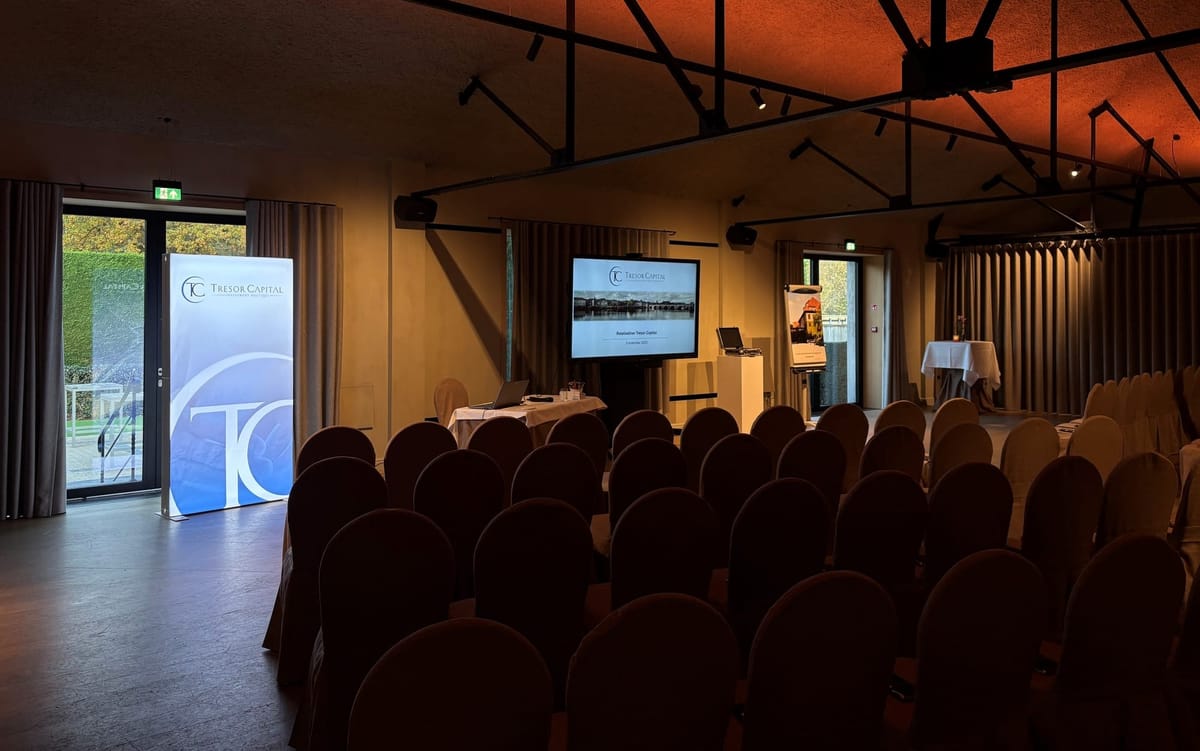
2) HAL Trust
At the Rotterdam-based holding company of the Van der Vorm family, the recent shift in communication particularly stands out. After years of extremely brief reporting, HAL is now suddenly reporting very extensively and in detail. That new openness, combined with the recent smart acquisitions of Boskalis and VolkerWessels, shows that the holding company is once again in full motion.
In the recent past there have been occasional missteps in sectors where they had less expertise, but as long as they stay close to their 'circle of competence', HAL is very interesting. With its substantial cash reserves, HAL has the luxury of being able to wait patiently for opportunities.
3) GIMV
The Flemish holding company has taken steps in recent years to sharpen its focus. The arrival of new major shareholder WorxInvest, replacing the Flemish government, has brought a breath of fresh air. They have introduced a new remuneration structure that finally creates real 'skin in the game', and the focus is shifting towards larger deals.
Although this makes Gimv more interesting, in this segment the preference clearly goes to Brederode and Sofina. Historically, they have a stronger track record in capital allocation, and offer more potential.
4) First Pacific
The Hong Kong-listed holding company offers a dominant position in the Indonesian consumer market through Indofood. With First Pacific you get interesting exposure to emerging markets, but in that case the preference goes much more strongly to Prosus. First Pacific remains a 'value play', lacking the pure compounder qualities that can be seen in a player like Prosus.

The favourites among the runners-up
1) MBB
This German holding company is the textbook example of the strength of the 'Mittelstand'. MBB excels at acquiring and improving niche businesses, with a strong focus on the energy transition and cybersecurity. The founders show themselves to be extremely disciplined in capital allocation. The current share price gives no credit to the potential of subsidiary DTS, nor to the optionality of the well-filled cash position with which a new Vorwerk could be bought.
2) 3i Group
The share price of 3i fell sharply recently after Action slightly missed expectations. That seems like an overblown reaction. The slowdown is specifically limited to France, while revenue in the other markets simply continues to power ahead with growth of over 22%. Action's underlying growth model remains intact: the company already opened 255 new stores this year and even raised its ambition to 380 openings for the full year.
3i confirmed its unconditional confidence in its crown jewel by investing an additional £755 million in Action directly. Management also gave a crystal-clear signal: insiders, including the CEO and partners, recently bought around €4 million worth of their own shares. A stronger sign of undervaluation is hard to find.
TerraVest surprises with strong figures in a difficult year
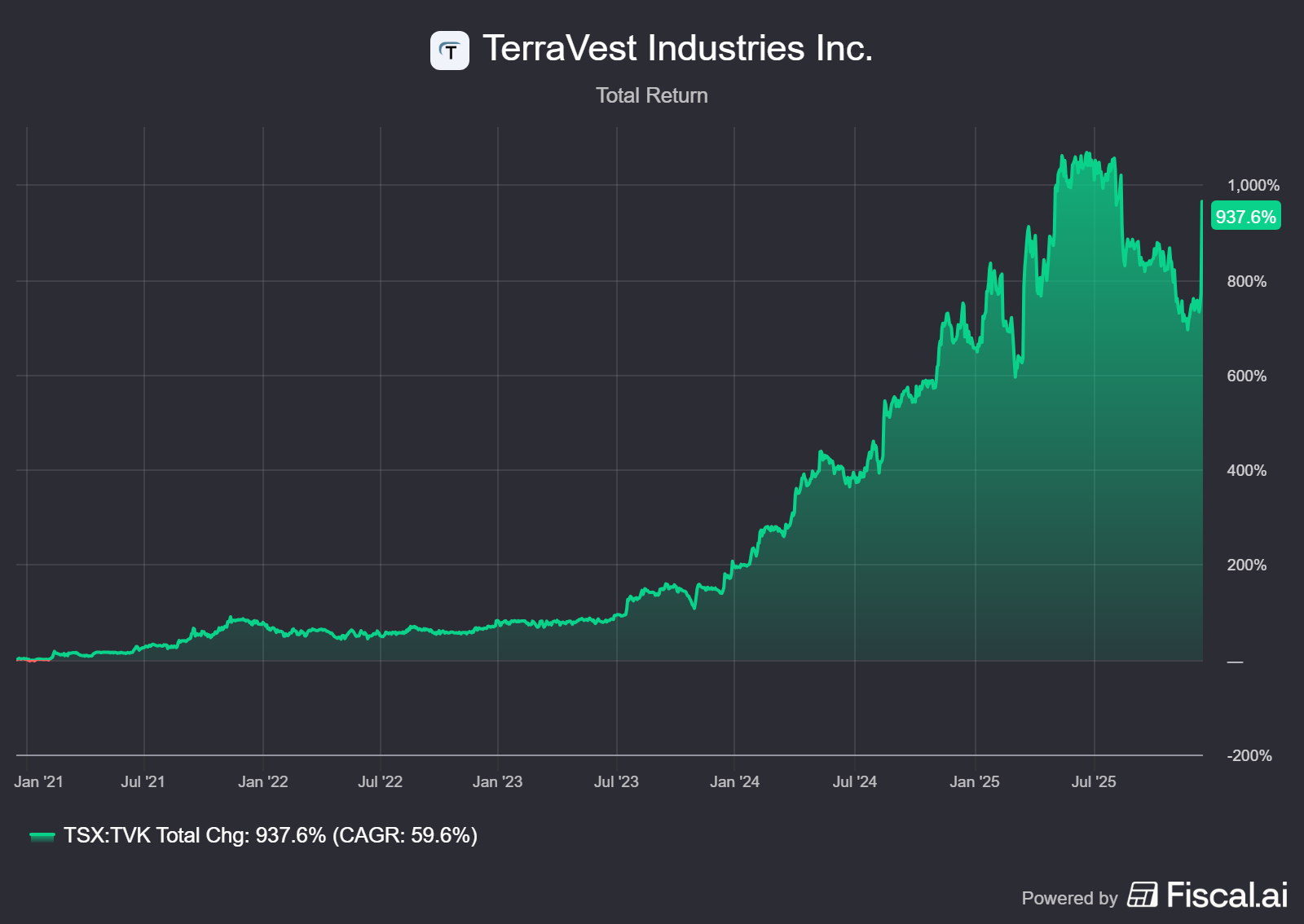
TerraVest (Toronto: TVK) published its annual results for fiscal year 2025 this week, a year characterised by heightened uncertainty as a result of new trade and tariff measures. Management indicated that recent tariff announcements have led to uncertainty within the North American manufacturing industry, which has temporarily resulted in lower demand for some of TerraVest's activities. At the same time, the company emphasises that the majority of the portfolio is focused on domestic markets, which significantly limits the potential impact of these tariffs.
Despite these challenging circumstances, TerraVest managed to exceed expectations, which immediately translated into a share price increase of around 25% in the two days following the results.
The figures:
- Fiscal year: revenue of $1,371 million (+50%); adjusted normalised profit $265 million (+40%).
- Last quarter: revenue of $419 million (+81.4%); adjusted normalised profit $81.9 million (+72.1%).
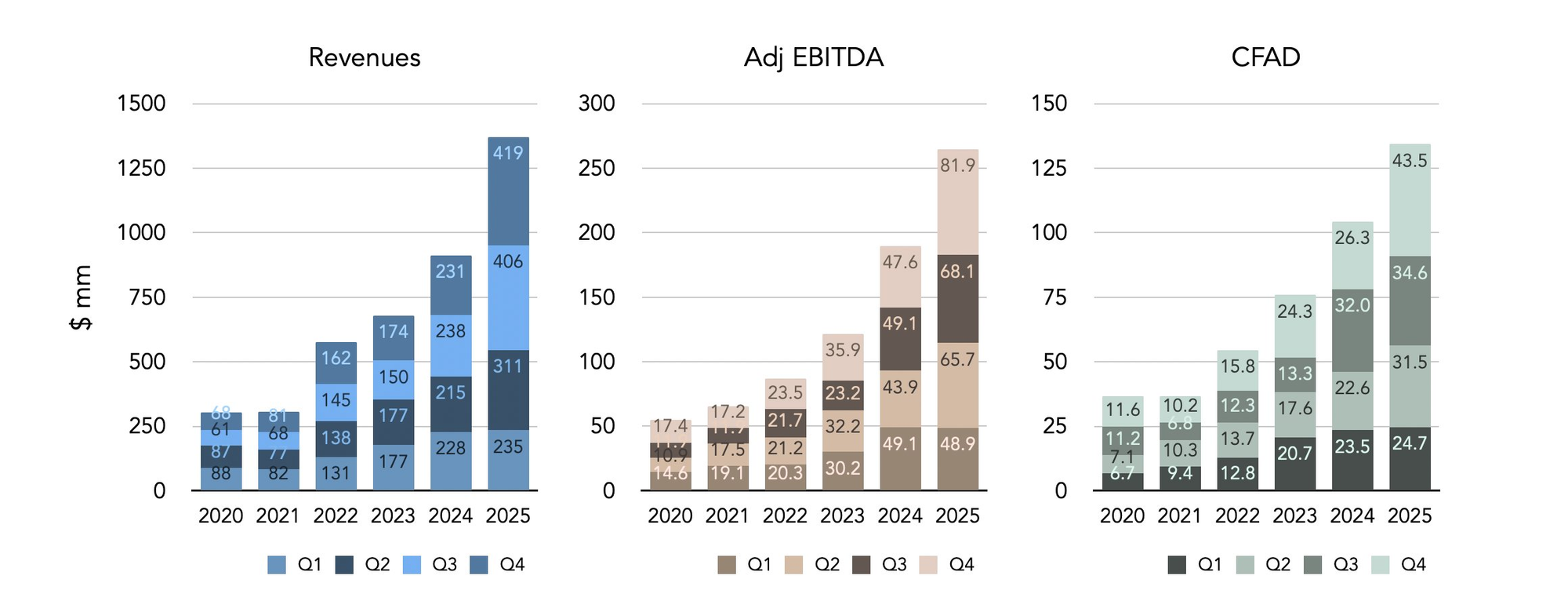
Even more important than revenue and profits is Cash Available for Distribution (CFAD), a measure of the cash flow available for dividends and capital allocation. This is the capital that management can use to reinvest or distribute to shareholders. This figure also rose to record highs of $6.37 per share for the year, an increase of 18%.
The reason for the growth
Although TerraVest achieved organic growth of +7%, the bulk of the revenue growth stemmed from the exceptionally active acquisition strategy of the past year. In total, the company spent a record $858 million on acquisitions in financial year 2025, almost six times as much as in the previous year. This sharp increase is almost entirely attributable to the large acquisition of Entrans International, as is also visible in the image below.
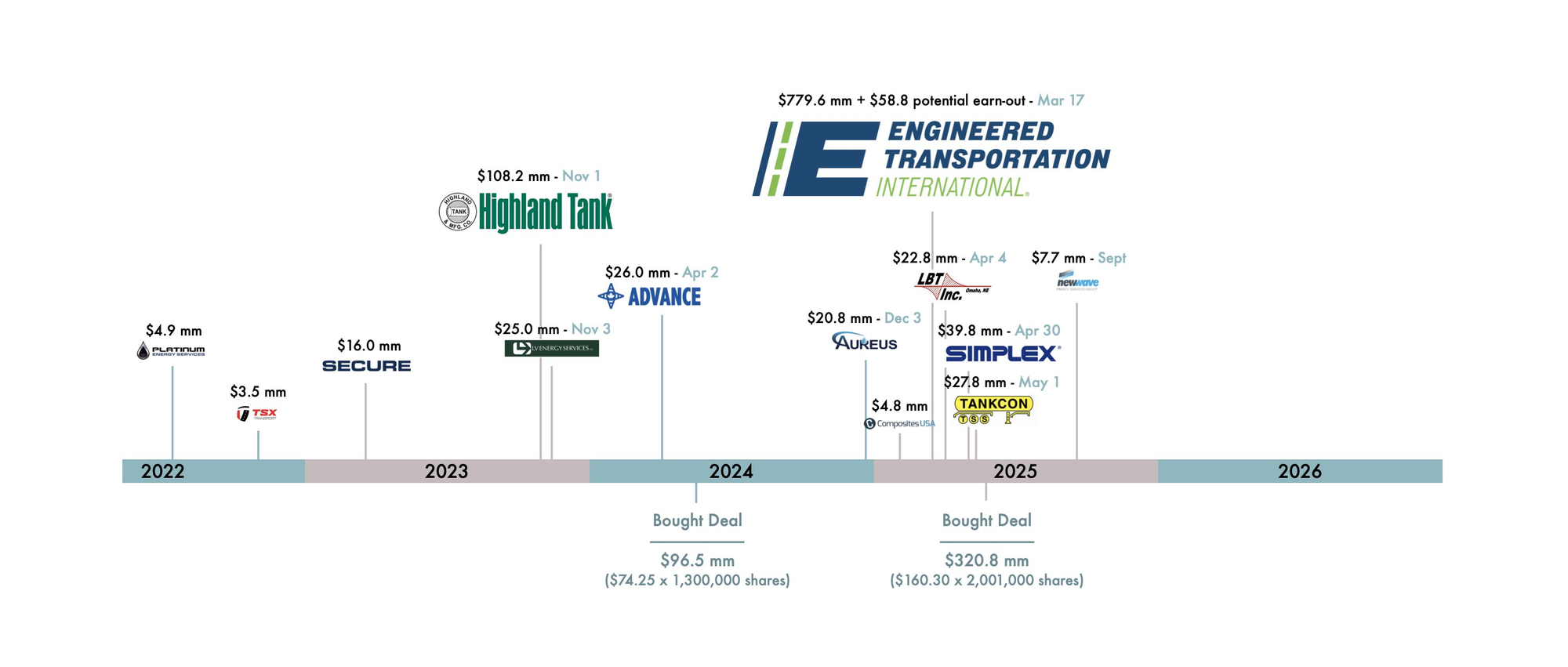
Management also announced a new strategic acquisition. In September 2025, Green Energy Services Inc. (GES), a subsidiary in which TerraVest holds a majority stake, signed an agreement to acquire the Canadian assets of New Wave Energy Services Ltd. ("Wave"). Wave provides integrated water solutions in Canada, including in-field water management, water treatment, water storage and long-distance water transport.
These activities fall within a relatively new, but rapidly emerging sector within the TerraVest portfolio. At the same time, they align seamlessly with the company's existing competencies: custom engineering, steel fabrication and the delivery of critical infrastructure for essential resources. Water and waste management also share many characteristics with TerraVest's traditional markets: highly fragmented, locally organised, capital-intensive and structurally growing.
Why new verticals are making TerraVest stronger
That this very ability to enter new, adjacent sectors is one of TerraVest's greatest strengths becomes clear in a recent interview with Guy Gottfried. Gottfried is a US-based asset manager and founder of Rational Investment Group, a fund with a concentrated long-term strategy. He identified TerraVest at a very early stage and built a close relationship with management over the years.
Notably, around the 2010–2013 period, Gottfried decided to sell his entire position in TerraVest. The reason was a strategic shift in direction that, in his view, did not align with his original expectations. A few months later, however, the stock returned to the portfolio, this time not as a small position but, ultimately, as the largest position in his fund's history.
The reason for that turnaround was his deeper understanding of TerraVest's acquisition strategy. Gottfried concluded that the markets TerraVest targets consist of hundreds of small, often family-run businesses, where acquisitions typically take place at multiples of around 5× EBITDA. Through operational improvements and synergies, these multiples fall to low single-digit levels on a post-synergy basis.
These synergies are achieved through a combination of economies of scale, operational improvements and pricing discipline. TerraVest lowers raw material costs, particularly for steel, through centralised purchasing and scale advantages. At the same time, production processes are further automated to reduce labour costs and increase capacity. Unprofitable product lines and inefficient structures are phased out, while the group actively pursues cross-selling, the internalisation of production and the utilisation of existing excess capacity.
Pricing also plays an important role. Whereas previous, often family-run owners were reluctant to raise prices, TerraVest, thanks to its portfolio approach, can enforce pricing discipline more consistently without losing market share.
This approach enables TerraVest to bring acquisitions initially made at 5–7× EBITDA down to an effective 2–3× EBITDA after realising synergies. According to Gottfried, it is precisely this quality, the combination of capital discipline, operational execution strength and scale, that makes the company exceptionally well suited to successfully enter new, capital-intensive industrial sectors as well, such as water and waste management. Entry into this new market once again provides access to hundreds of small, often family-run businesses.
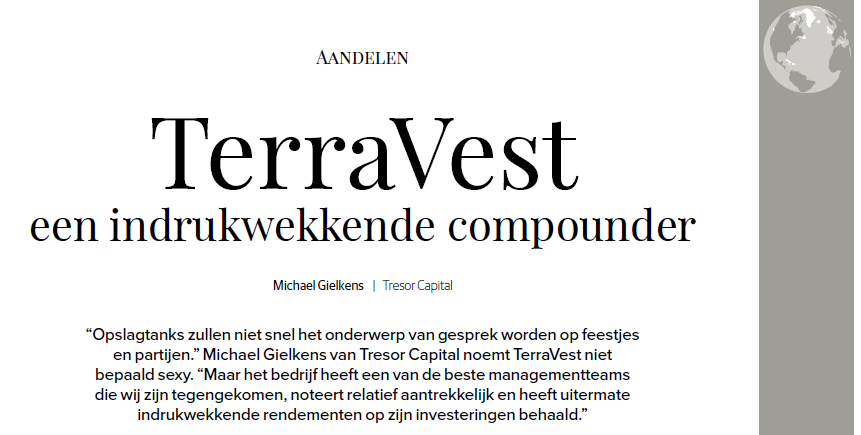
We previously wrote our own analysis of TerraVest, which you can read below.

What to expect for 2026?
Recovery in the transport market
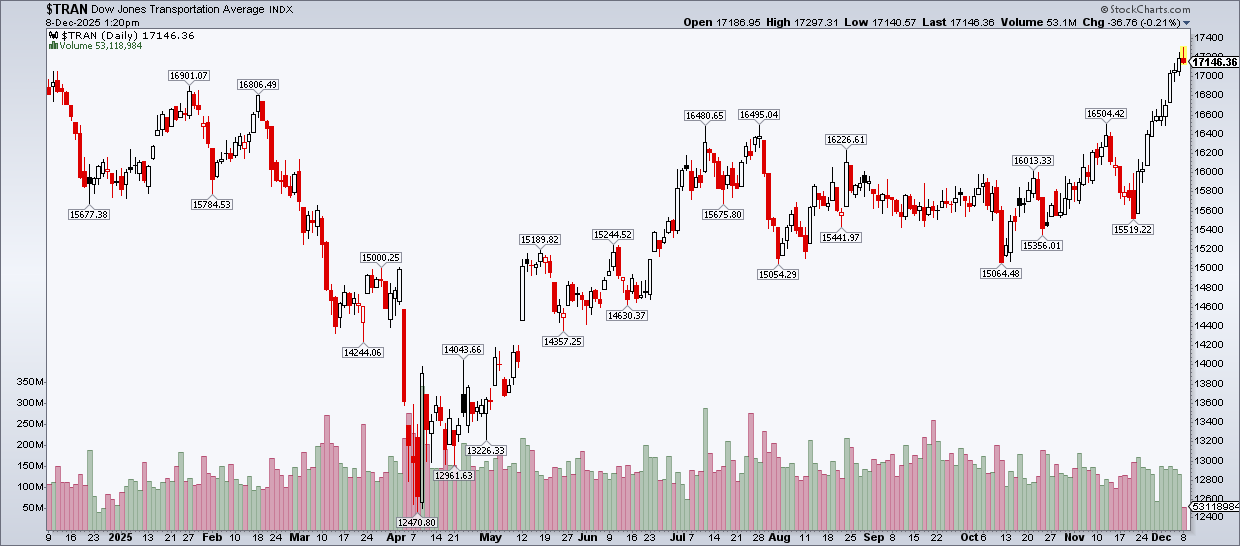
2025 was a tough year for the US trucking and transport sector, partly due to tariffs and economic uncertainty. Towards the end of the year, however, the first signs of recovery are becoming visible. The Dow Jones Transportation Average is showing a clear year-end rally, which historically often points to improving cyclical sentiment, a potential catalyst for this division of TerraVest.
Defence
Entrans is the largest acquisition in TerraVest's history and will therefore play a defining role in 2026. The priority lies on further operational integration, realising purchasing and production synergies, and leveraging TerraVest's economies of scale.
In addition, the market is keenly awaiting the first defence-related contracts. Entrans has the technical capabilities and the product portfolio to serve defence end markets and signed several interesting contracts with the US Department of Defense earlier this year. These military orders are expected to become visible in the figures in 2026. Any further contract announcements in 2026 would not only add new revenue but, above all, further strengthen TerraVest's strategic positioning towards this new, structural growth market.
Data centres
Management explicitly points to strong demand from data centre end markets, both for storage tanks (Highland Tank) and for load banks (Simplex). In this market, speed of delivery currently matters more than price, which plays into TerraVest's hands. To meet the high demand, the company has deployed other business units within Compressed Gas and Processing Equipment to deliver extra capacity at an accelerated pace. This exposure to data centre infrastructure is expected to increase further in 2026.
We therefore do not expect 2026 to be a year of new mega-deals, but rather a period in which TerraVest focuses on further vertical expansion within existing, recently tapped markets and potential new markets.
TerraVest currently trades on the Toronto Stock Exchange at a price of CAD 153.34 per share.
Our portfolio aboard the SpaceX rocket
SpaceX is preparing an internal share sale that could value the company at up to $800 billion, which would once again make it the most valuable private company in the world. In parallel, the company is exploring a stock market listing from 2026 onwards, targeting a valuation of around $1.5 trillion. That would make SpaceX, in one stroke, substantially larger than the current most valuable private technology company, OpenAI.
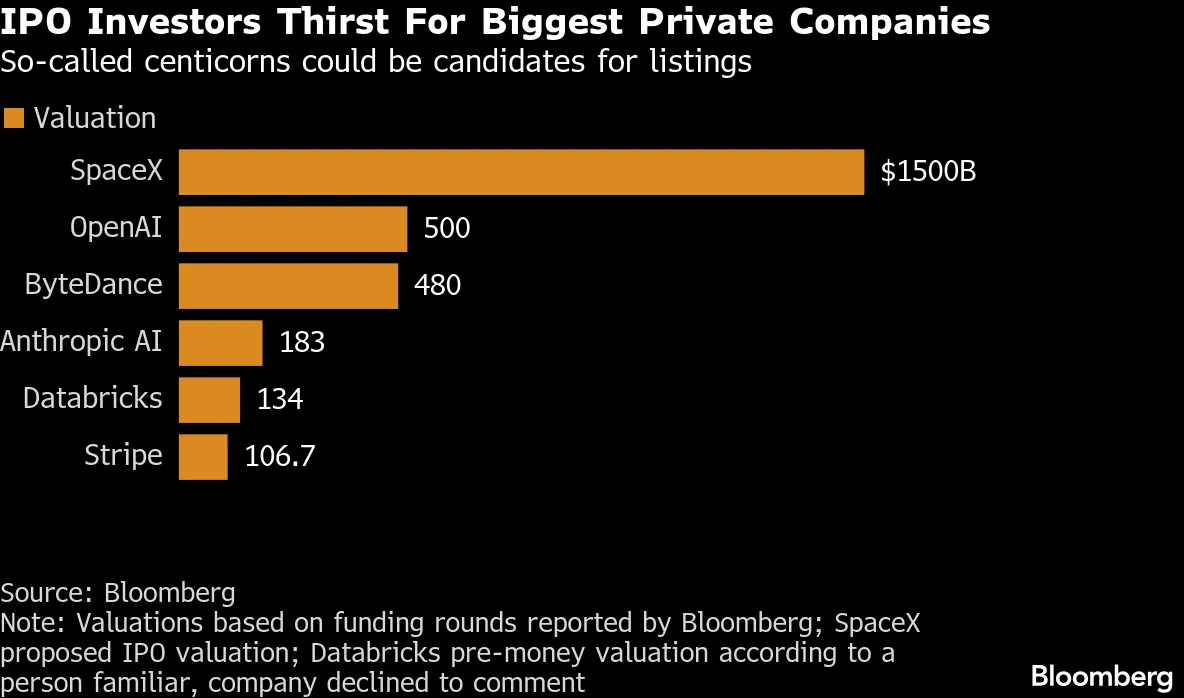
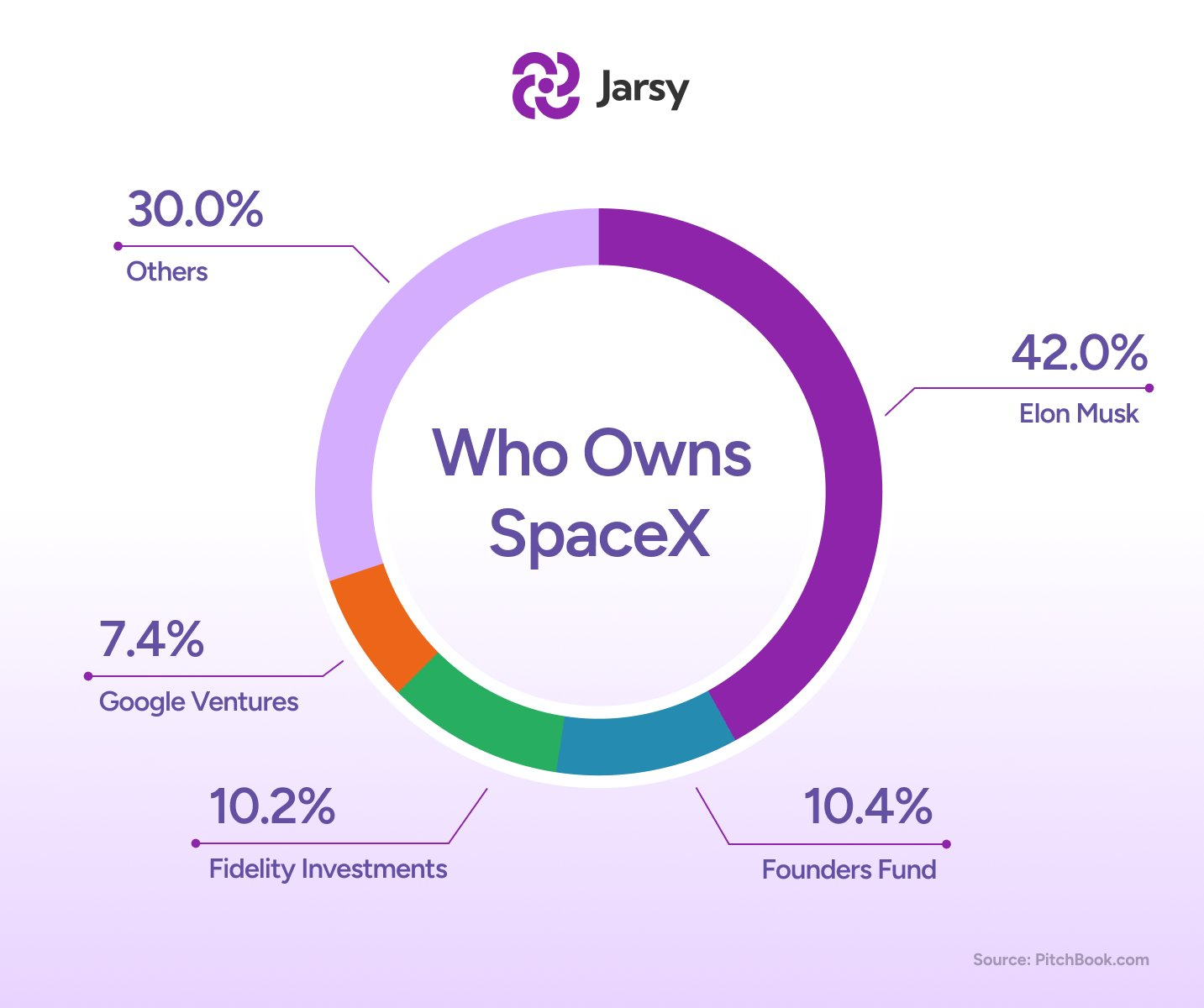
At such a valuation, Elon Musk's personal wealth would also shoot up like a rocket. Musk is estimated to own around 42% of SpaceX, which at a valuation of $1.5 trillion alone equates to a stake worth approximately $630 billion. Combined with his existing stakes and bonuses, particularly in Tesla, this creates a realistic scenario in which Musk becomes the world's first trillionaire. A term that doesn't even exist yet today, namely a fortune of USD 1,000 billion!
Alphabet as shareholder and future partner
It is not only SpaceX itself that benefits from this valuation jump, but other companies as well. This includes companies within our portfolio. More than ten years ago, Google invested approximately $900 million in SpaceX, good for a stake of around 7.4%. Following the most recent secondary share sale (valuation of $800 billion), that stake now represents a value of around $50 billion; a return of roughly 56x. Should SpaceX live up to the rumours and rise further to a valuation of $1,500 billion, Alphabet's stake would represent a value of approximately $111 billion; a return of around 123x the original investment.
Alphabet's early stake in SpaceX has, in hindsight, also proven to be a strategic masterstroke. The biggest challenge Big Tech faces today is not software or talent, but energy. The explosive growth of frontier AI models demands unprecedented amounts of power and cooling, putting pressure worldwide on electricity grids, causing water shortages, and triggering billions in investment in physical infrastructure.
“One of our moonshots is to one day have data centers in space where we can harness the sun's energy, orders of magnitude more than what we can generate on Earth.”
Space offers an elegant answer to virtually all the structural constraints on AI infrastructure:
- Unlimited solar energy, without atmospheric losses;
- Natural cooling, thanks to the extreme cold of space;
- No scarce inputs such as land, grid capacity or water.
With Project Suncatcher, Google is preparing to launch its first test satellites for space-based computing in 2027. It seems only logical that this will also take place in cooperation with SpaceX.
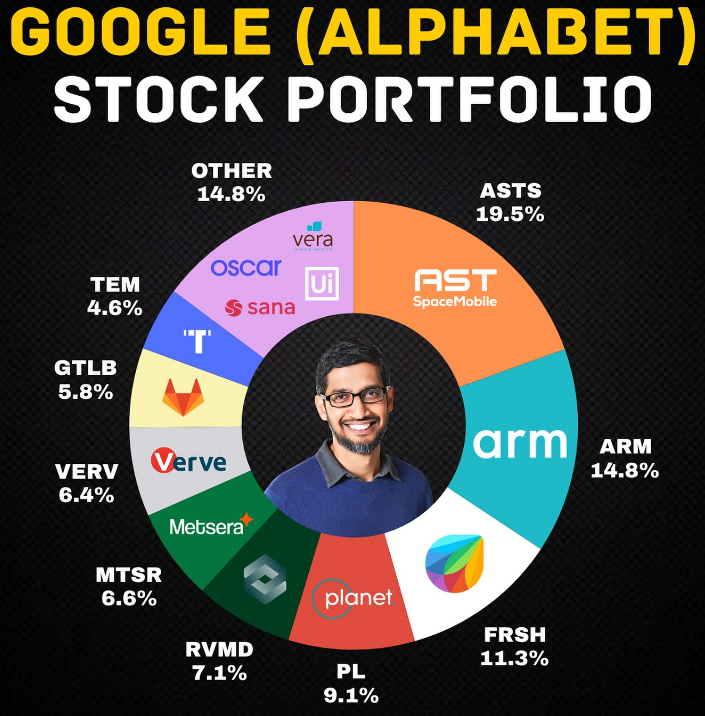
In addition to its stake in SpaceX, Alphabet also holds a 3.28% stake in AST SpaceMobile, a listed company that the market often views as a smaller, public counterpart to SpaceX in the field of satellite communications. Alphabet took part in a strategic funding round in 2024 at a valuation of around $1 billion. Since then, AST SpaceMobile's market value has risen to approximately $31 billion, equating to a return of around 31x. Alphabet's stake therefore currently represents a value of around $750 million and is among the largest individual listed equity positions within the portfolio.
With stakes in both SpaceX and AST SpaceMobile, Alphabet has positioned itself strategically in two of the most talked-about players in the new space economy. Together, these positions offer not only financial upside potential but, above all, strategic optionality towards a future in which data centres and computing power move into space, evolving from science fiction into reality.
Scottish Mortgage's largest position
Another holding company within our portfolio that benefits is Scottish Mortgage Investment Trust. The Scottish investment holding company currently carries SpaceX on its balance sheet at a value of approximately $1.6 billion, making the company the largest individual position in the portfolio, representing around 8.2% of total assets.
Since SpaceX is a private company, the exact valuation basis used by Scottish Mortgage is not publicly known. However, it stands to reason that the position is valued based on the most recently reported funding round, which implied a valuation of around $400 billion earlier this year. If this assumption is correct, Scottish Mortgage represents a stake of roughly 0.3% in SpaceX. At the recently discussed internal valuation of $800 billion, this stake would rise to approximately $2.4 billion. In the scenario of a future stock market listing at around $1,500 billion, the value could even rise to approximately $4.5 billion.
Would you like to read more about Scottish Mortgage's investment in SpaceX? Then click on the link below.


Sofina's possible exposure via Sequoia
Lastly, there is also a possibility that the Belgian investment company Sofina has an indirect stake. The company participates as a limited partner in a wide range of private equity and venture capital funds, including Sequoia Capital. It is known that Sequoia took part in a SpaceX funding round in 2021, at the time at a valuation of around $74 billion. However, no public information is available on the exact size of the stake Sequoia acquired in that round.
Nor is it publicly known whether Sofina, through its participations in Sequoia funds, actually has exposure to SpaceX, or how large that potential exposure would be. An indirect stake therefore remains plausible but not quantifiable.
MBB follows through with new buyback
The German investment holding company MBB (Frankfurt: MBB) announced this week that it will make use of its authorisation to buy back its own shares. The board of the German family holding company currently sees significant undervaluation in the share price. This fact, combined with the strong capital position, is being used to create value for shareholders.
The programme started on 11 December and runs until 14 April 2026 at the latest. MBB intends to buy back up to €22 million worth of its own shares through the stock market. At the time of the announcement, MBB's share price stood at €189 per share, but it has since risen by around 6%.
The most interesting aspect of this programme is the price limit set by the board. Shares may be repurchased up to a price of €222 per share. This level can be seen as a floor for what management considers to be the company's fair value. As long as the share price trades below this level, MBB regards the buyback of its own shares as an attractive allocation of capital.
 Michael Gielkens
The undervaluation cited by MBB does not come out of nowhere. As we discussed extensively in our week 48 newsletter, the market takes too narrow a view of the holding company. The focus of many analysts and investors is primarily on listed subsidiary Friedrich Vorwerk, which benefits from the energy transition. Although this is a growth gem, the rest of the portfolio is being underappreciated.
Founder and CEO Christof Nesemeier previously referred to subsidiary DTS as his "wild card". Within the holding company, this cybersecurity specialist acts as a second, powerful growth engine that is barely valued by the market. DTS shows impressive margins and growth figures that are effectively included 'for free' in MBB's current share price.
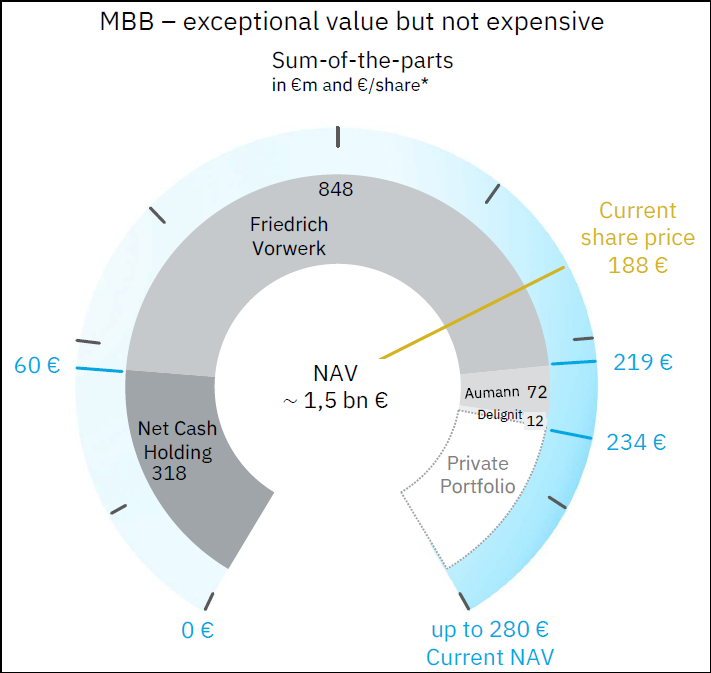
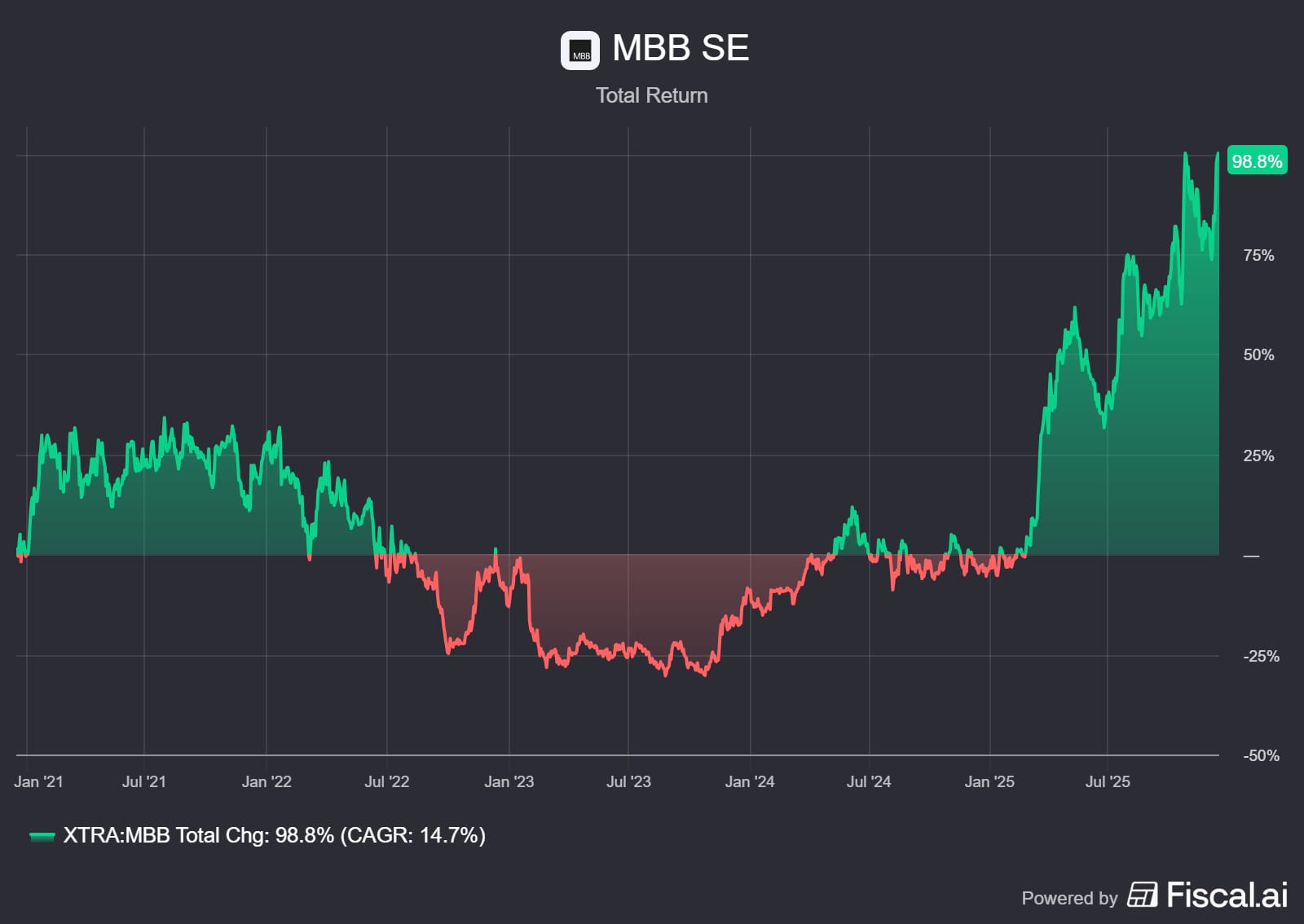
In a recent interview, Nesemeier indicated that he considers MBB to be very attractively valued, despite the share price having risen by more than 100% this year. Referring to the sum-of-the-parts chart above, Nesemeier sees intrinsic value at around €280 per share. If you subtract the value of Vorwerk and the cash position from MBB's market capitalisation, it can be argued that the market is implicitly assigning a far too low (or even negative) value to DTS. With the buyback, MBB aims to take full advantage of this.
MBB ended the trading week at a share price of €200.
Receive weekly insights in your inbox
Exclusive analyses and updates on family holding companies and global market developments.
Would you like more information about our services? Please feel free to get in touch.
Get in touch
Disclaimer:
No rights can be derived from this publication. This is a publication of Tresor Capital. Reproduction of this document, or parts thereof, by third parties is only permitted with prior written consent and with reference to the source, Tresor Capital.
This publication has been compiled by Tresor Capital with the greatest possible care. The information is intended in a general sense and is not tailored to your individual situation. The information should therefore explicitly not be regarded as advice, an offer or a proposal to purchase or trade investment products and/or to take up investment services, nor as investment advice. The authors, Tresor Capital and/or its employees may hold positions in the securities discussed, for their own account or on behalf of their clients.
You should carefully consider the risks before you start investing. The value of your investments may fluctuate. Past performance offers no guarantee for the future. You may lose (part of) your investment. Tresor Capital disclaims any form of liability for any inaccuracies or errors. This information is purely indicative and subject to change.
Read the full disclaimer at tresorcapitalnieuws.nl/disclaimer .
This article was originally written in Dutch and automatically translated into English with the help of AI. In case of any difference, the Dutch original prevails.