Economy & Markets #31 - Technology markets seek new equilibrium after major sell-off

Federal Reserve leaves rates unchanged, but strikes a clearly hawkish tone
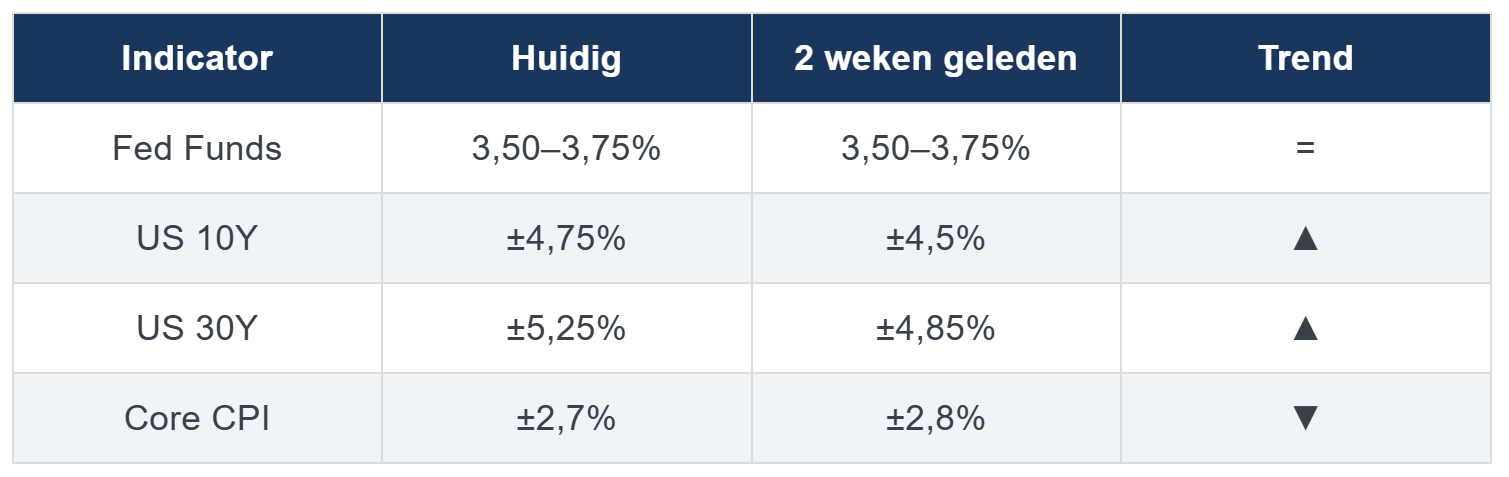
At its meeting on 29 July 2026, the US Federal Reserve left its policy rate unchanged at 3.50%–3.75%. The rate decision was fully in line with financial market expectations. Investors' attention therefore focused mainly on the statement from the Federal Open Market Committee (FOMC), the press conference given by Chair Kevin Warsh, and the reaction in the US bond market. Although the policy rate remained unchanged, the tone of the communication was clearly more restrictive than the market had expected.
Federal Reserve Chair Kevin Warsh: "Our committee decided to vote by a 9-3 vote to maintain the target range for the federal funds rate at 3.5-3.75%." #FOMC pic.twitter.com/uLe3D4z5vy
— CSPAN (@cspan) July 29, 2026
Warsh emphasised that although inflation is continuing to ease, the Federal Reserve does not yet see sufficient evidence that price increases are durably returning to the 2% target. He gave no indication that rate cuts are on the table in the near term and reiterated that future policy decisions will remain entirely dependent on economic data. A contributing factor is that most inflation baskets are not showing a downward trend towards well below 2%. Tensions surrounding Iran and Russia continue to cause price shocks in oil, diesel (Russia) and gas prices. Both oil inventories and gas inventories (in Europe) are entering the winter months at unprecedentedly low levels.
Division within the FOMC
The voting split within the policy committee was notable. Three of the twelve voting FOMC members voted in favour of an immediate rate hike, while the remaining members wanted to leave rates unchanged. Such a division is relatively unusual and illustrates that differing views still exist within the central bank on the persistence of inflation and the extent to which the current policy stance is sufficiently restrictive. Ahead of the rate decision, Citadel Securities' chief strategist speculated that the Federal Reserve, under new Chair Warsh, would opt for an immediate rate hike in order to restore its monetary credibility. Such a move would mark the definitive end of the fourteen-year-long 'Fed Put': the policy under which the central bank intervened at every shock in the capital markets with forward guidance, pre-empting turmoil in capital markets with rate cuts and quantitative easing. According to critics (including major bondholders), this prolonged, ultra-loose monetary policy has led to an unprecedented, liquidity-driven rise in valuations within equity markets, private equity and related risk asset classes.
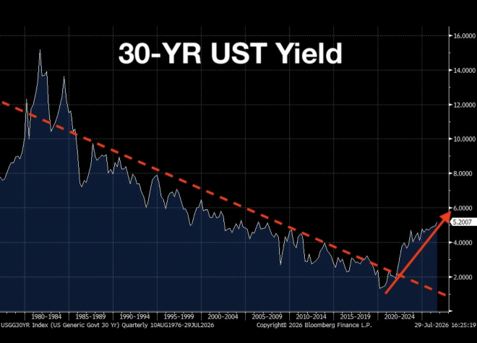
During the coronavirus period, and amid fears of a global recession, the 30-year rate even fell below 1%; in support, the Fed bought up hundreds of billions in government bonds and mortgages but was far too slow to combat rising inflation (which peaked at 9%), for fear of halting the stock market boom. From March 2020 to the end of 2025, the stimulative Fed and ECB policies fuelled one of the most powerful bull markets in modern stock market history.
During the press conference, Warsh described this division as a normal and constructive discussion within the committee. In his view, open debate contributes to the quality of the eventual policy decisions. An important part of the press conference concerned the Federal Reserve's revised communication strategy. Warsh indicated that the central bank wants to place less emphasis on forward guidance, whereby financial markets are extensively prepared in advance for future policy changes. Instead, the Fed wants investors to focus more on the development of economic data than on signals from the central bank. The Federal Reserve thus appears to be returning to a more data-dependent policy, in which the direction of interest rate policy is communicated less explicitly in advance.
"Talking hawkish but not acting reduces the Fed’s credibility"
The most direct market reaction was therefore visible in the US bond market, where so-called 'bond vigilantes' saw insufficient decisiveness from the FOMC to curb inflation. As a result, yields on both 10-year and 30-year US Treasuries rose further after the press conference. Although a formal rate hike failed to materialise, financial conditions were thus tightened by market participants themselves. Several analysts noted that the bond market demands more conviction that inflation will be brought under control on a lasting basis. The rise in long-term rates also reflects a higher risk premium, which investors demand because of the persistent budget deficits and structural uncertainty about the future path of inflation.
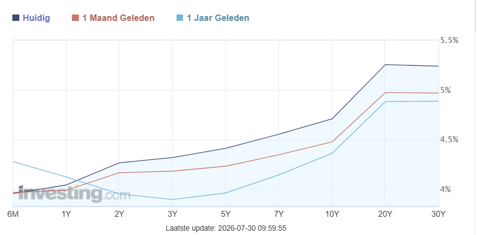
Effect of rising rates on the equity market
The rising capital market rate hit highly valued growth stocks in particular. After all, the valuation of companies where a significant part of expected cash flows will only be realised in the distant future is inherently sensitive to changes in the discount rate. The global economy finds itself in the midst of a capital investment cycle that is barely matched in history. The four largest 'hyperscalers' (Microsoft, Amazon, Alphabet and Meta) are together investing $800 billion in data centres, AI infrastructure, network technology and energy supply. These private capital expenditures come on top of extensive US government programmes, such as the Inflation Reduction Act and the CHIPS and Science Act. This exceptional wave of investment is stimulating economic activity, but at the same time is increasing pressure on the labour market, specialised construction capacity, electricity infrastructure and semiconductor supply chains.
As a result, the risk increases that the US economy will keep operating above its potential growth rate for longer, which could make inflation more persistent than previously assumed. Only later will the deflationary forces of AI-driven productivity gains become visible.
It is also striking that, despite their strong operating cash flows and substantial cash reserves, several hyperscalers have recently issued tens of billions of dollars in long-term bonds. In doing so, they are locking in current financing conditions for a long period. This is happening at a time when the US government also needs to place record volumes of government bonds to finance its persistent budget deficits. The convergence of exceptionally high capital demand from both the public and private sectors raises the question among market participants of whether current long-term rates still offer sufficient compensation.
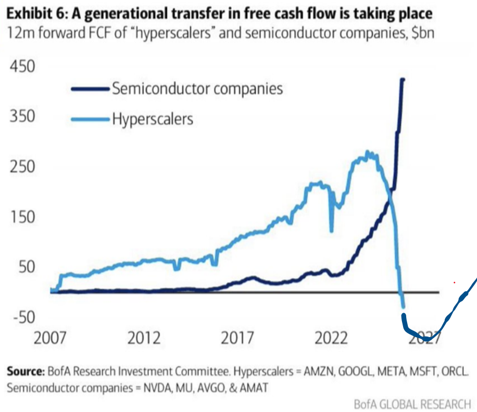
The expectation, however, is that within two to three years the free cash flow of hyperscalers will recover towards historic highs as the enormous investments in data centres and chips level off, causing capital expenditure (capex) as a percentage of revenue to decline. At the same time, software platforms, enterprise cloud subscriptions and AI cloud services are generating large-scale, high-margin recurring revenues. Thanks to this operating leverage, AI services scale up very efficiently to strong profitability once fixed infrastructure costs have been covered.
Receive weekly insights in your inbox
Exclusive analyses and updates on family holding companies and global market developments.
The Korean origins of the global chip correction
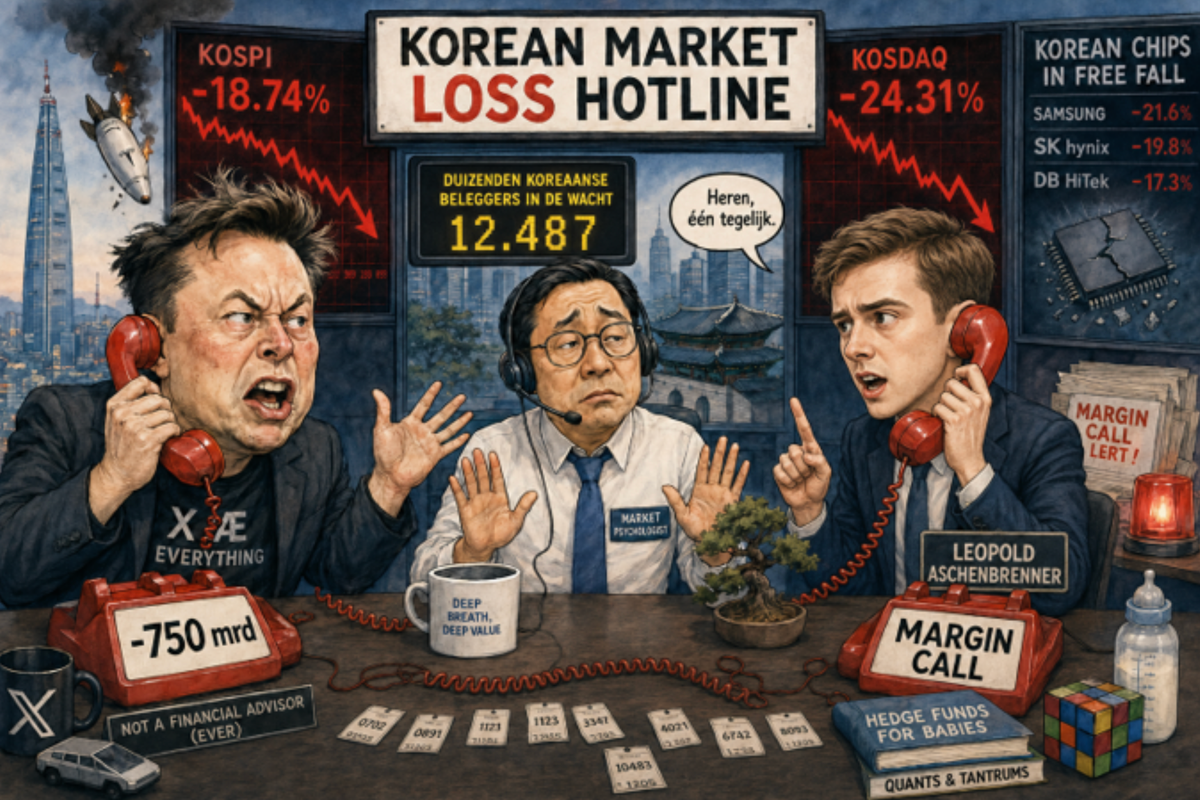
Although international media describe the recent sell-off as a general, worldwide chip correction, the epicentre of the stock market tremor lies in South Korea. Through giants such as Samsung Electronics and SK Hynix, the country holds an absolute monopoly in High-Bandwidth Memory (HBM), the indispensable memory chips that power Nvidia's AI processors. In recent years an absurd amount of capital flowed into Seoul, with the result that the combined weighting of Samsung Electronics and SK Hynix reached a historic record of no less than 60% in the KOSPI index. The share price of SK Hynix had more than doubled in a short space of time. This AI hype attracted not only sober, fundamentally driven long-term investors but also turned the Korean stock exchange (the KOSPI) into an overheated casino. The escalation reached boiling point through a toxic combination of leverage and aggressive retail products. In May 2024, South Korea introduced new regulation that brought in single-stock leveraged ETFs.
This allowed retail investors, popularly known as the 'Donghak ants', to bet en masse on a doubling of chip prices using borrowed money. Within two months, these ants had swallowed up 14 trillion won ($9.7 billion) worth of these risky leveraged products. At the same time, large hedge funds built up gigantic, debt-financed positions through opaque contracts-for-difference (CFDs). The sector became extremely "crowded": everyone was sitting on the same side of the boat. When SK Hynix reported record figures in late July that came in just below the most optimistic (and unrealistic) analyst expectations, the trap sprang shut. What followed was a mechanical bloodbath. SK Hynix's share price plunged by almost 10% in a single day, triggering an unprecedented chain reaction of margin calls. More than 1.2 million leveraged accounts fell into the danger zone. Brokers were then forced to liquidate hundreds of thousands of positions in order to collect on outstanding debts.
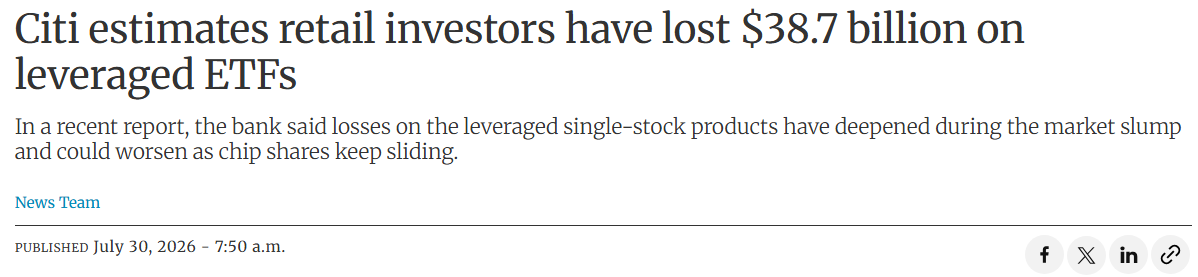
The panic was so complete that the South Korean stock exchange had to activate the so-called 'sidecar' circuit breakers twice in order to manually halt programme trading. South Korea's Minister of Finance ultimately even had to offer profound apologies in parliament for having allowed the risky leveraged ETFs onto the market too soon, given how hard they crashed it. The financial regulator (FSC) has immediately halted the introduction and marketing of new single-stock leveraged ETFs. There is a legislative proposal to ban these products entirely for retail investors in the future and to make them accessible exclusively to institutional professionals.
The government has raised the minimum cash deposit required for retail investors wishing to trade in these chip ETFs from 10 million won to 30 million won (~€20,000) in order to discourage speculation with borrowed money. Minimum trading units of 20 shares have also been introduced
Comparison with previous market corrections
Since the absolute AI peak in June 2026, more than $2,000 billion in market value has cumulatively evaporated on the South Korean stock exchange. The finishing blow came this week: a mechanical sell-off wiped out almost $600 billion in just 48 hours, driven by forced liquidations of leveraged products around Samsung and SK Hynix. Whereas the KOSPI index plunged 33% in July, it lost 27% during the Asian crisis in 1997 and 25% during the financial crisis in 2008.
The table below places the current AI and semiconductor correction in the context of the largest market shocks in modern financial history:
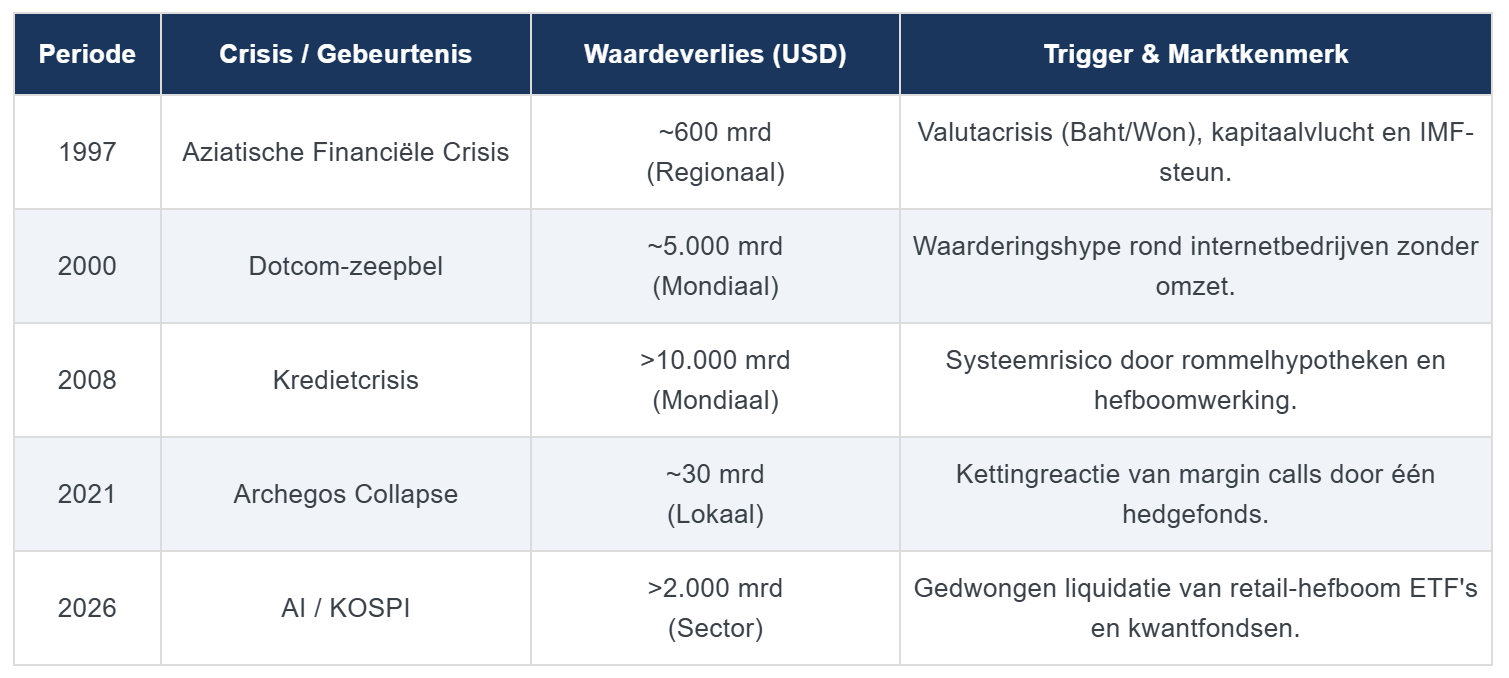
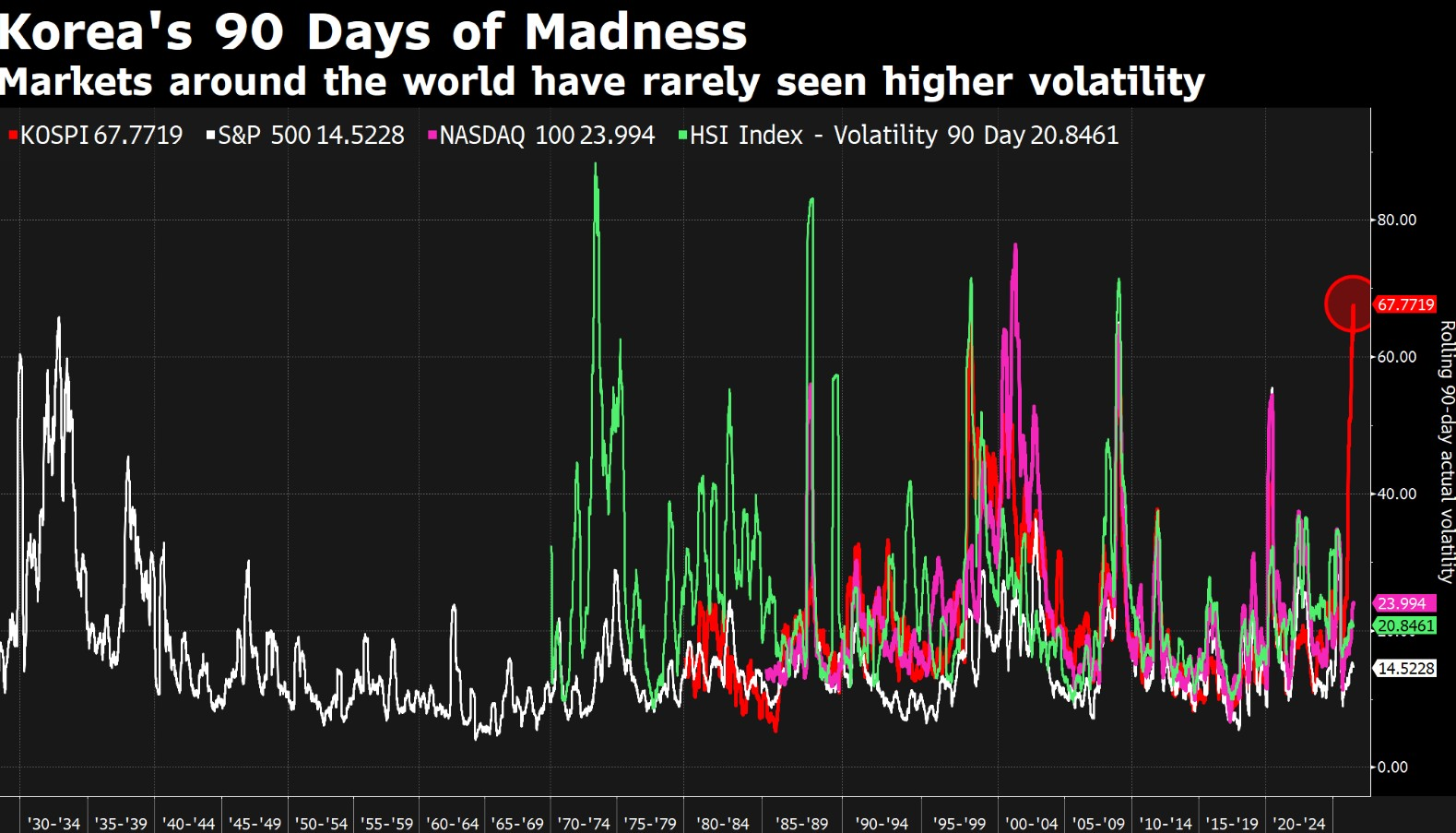
The current correction on the Korean stock exchange is unique not only in scale, but above all in speed and volatility. The annualised volatility of the KOSPI index recently reached an extreme 68%. This is just as high as the Nasdaq during the bursting of the dotcom bubble and the Hang Seng index in the 1970s and 1980s. By comparison, the US S&P 500, which is likewise heavily weighted towards technology, shows stable volatility of just 15% over the same period.
Quarterly results in Korea: absurdly high profits, numerical misses
The most paradoxical aspect of this crash is that the fundamental figures of the chip giants are historically high, but simply buckled under analysts' unrealistic expectations and market fears over emerging Chinese competition from players such as CXMT, which is also allocating more capacity to the production of memory chips.
This week the two Korean chip giants published a quarterly update:
Samsung Electronics
Quarterly revenue: $118.7 billion (+28% versus the previous quarter). Operating profit: $62 billion (an explosive rise of 1,814% year-on-year). The semiconductor division (Device Solutions) flourished with a profit of $60.7 billion thanks to AI demand. However, the mobile division (smartphones) suffered an unexpected operating loss of $484 million as astronomically higher chip and component prices ate into its own margins. Samsung is currently starting deliveries of the new HBM4 chips in order to close the market gap.
SK Hynix
Quarterly revenue: $54.55 billion (+257% year-on-year). This was a record, but resulted in an earnings miss as the market had pencilled in $57.8 billion. Operating profit: $41.6 billion (a sixfold increase year-on-year), delivering a gigantic operating margin of 76%. Net profit: $64.6 billion, heavily boosted by a one-off book gain on the sale of its stake in Japan's Kioxia. Because physical shipments of the very latest HBM4 chips were administratively delayed slightly (shifting revenue into Q3), the share was immediately punished with a 9.6% drop.
No Situational Awareness
Even the very largest players are taking a heavy hit. While South Korean retail investors are losing billions on their leveraged products, the absolute giants of the tech world are currently also experiencing a pitch-black summer.
Elon Musk has already lost his 'trillionaire' status
After SpaceX's initial public offering (IPO) on the Nasdaq in mid-June, Elon Musk's paper wealth shot up to an astronomical $1.45 trillion, making him the first trillionaire in history. Since then, however, things have gone sharply downhill. Through a combination of heavy AI investments, an aborted Starship test flight and a hefty share price fall at Tesla (-15% in a single day), as much as $750 billion in paper wealth evaporated in barely six weeks. His net worth has since dropped below $700 billion. Musk now wryly refers to himself on his platform X as a "former trillionaire".
(Former) Trillionaire
— Elon Musk (@elonmusk) July 24, 2026
IT prodigy Leopold Aschenbrenner forced to liquidate his portfolio
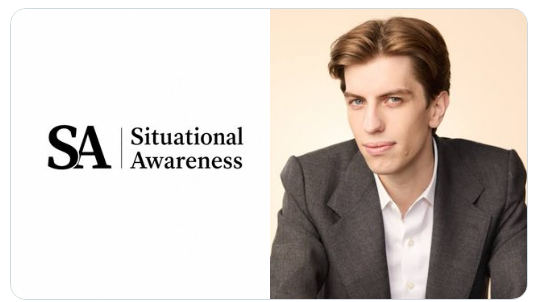
Even more dramatic is the situation surrounding Leopold Aschenbrenner. Over the past two years, the 25-year-old German former OpenAI researcher became the absolute star of the AI investment world when he launched his hedge fund Situational Awareness and saw its assets grow from $225 million to roughly $20 billion in under two years. The fund, named after his widely read essay on the arrival of artificial general intelligence, was showing a return of around 439% over the first half of 2026, achieved with leverage that rose to as much as four times the capital invested. Aschenbrenner bet heavily on the 'hardware and power' side of AI, with concentrated positions in names such as SK Hynix, CoreWeave, Nebius, Micron and Bloom Energy, supplemented by short positions on software stocks including Adobe.
That setup imploded from two sides at once this month. The AI infrastructure stocks in the portfolio lost between 35 and 47% in July, while the shorted software stocks rebounded sharply — a pincer movement that is merciless at fourfold leverage. At that ratio, a price decline of just 25% is enough to wipe out the entire equity in a position. The fund's three prime brokers (Goldman Sachs, JPMorgan and Bank of America) issued margin calls, after which Aschenbrenner had no options left. Six days before the wind-down, he had still sent investors a letter describing the sell-off as one of the most attractive entry points since early 2025, inviting them to commit fresh capital before 1 August. That capital never materialised.
The denouement followed on Thursday. Situational Awareness sold its entire public equity portfolio in a single block trade, with billionaire Ken Griffin's Citadel as the buyer, a transaction estimated at $16 billion. This averted a disorderly forced liquidation on the market, and the market reacted immediately: as soon as the risk of a forced seller was removed, the very shares the fund had been forced to dump surged sharply on Thursday.
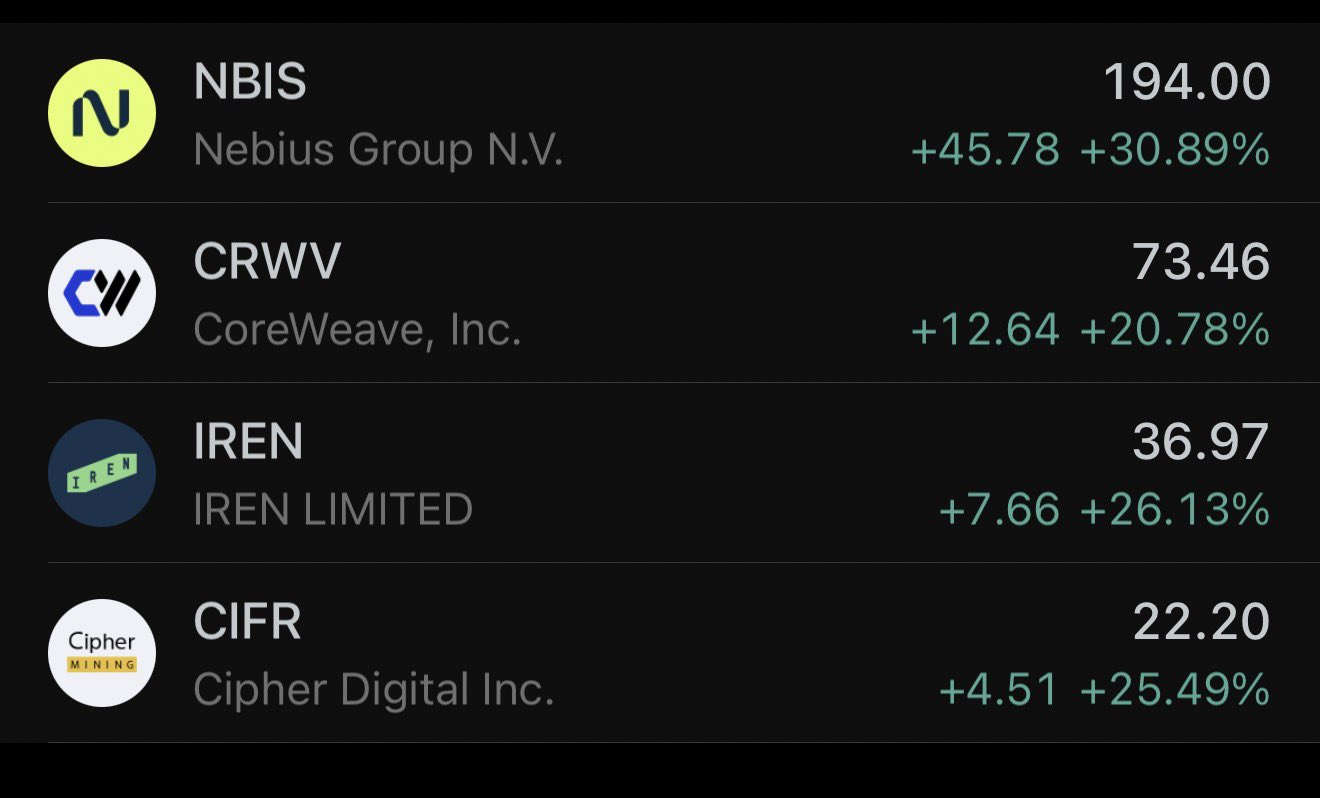
Aschenbrenner thus sold almost exactly at the bottom. What remains is a battered vehicle. According to Bloomberg, the fund's assets have fallen back to around $10 billion, less than half of what they were a few months ago. The largest remaining position is a private stake in Anthropic worth around $5 billion, and the fund will continue as a private investment vehicle.
The greatest irony lies in the identity of the buyer. A year ago, when asked in an interview why portfolio managers at Citadel are let go, Griffin described almost word for word the scenario that has now played out:
"You have a portfolio that is extraordinarily highly concentrated, you have large positions, and you can't articulate a clear and concise competitive advantage for why you hold those positions. And there are people who, even with full information, simply can't help themselves in arriving at better portfolio construction."
KEN GRIFFIN DESCRIBED THE PORTFOLIO THAT ENDS INVESTING CAREERS. HIS FIRM JUST BOUGHT ONE
— WOLF (@WOLF_Financial) July 31, 2026
In the clip, Griffin lays out why portfolio managers derail. Some are "just not good risk takers," running books that are "extraordinarily highly concentrated" with no clear competitive… pic.twitter.com/XfmhAE6wdz
In the same interview he was asked the reverse question, why Citadel has worked for decades, and his answer reads in hindsight like a premonition:
"It's experience. It's the price, paid in losses and pain, that converts into wisdom. My leadership team has been through a lot of very difficult market moments together. We've learned bitter lessons, but it makes us far more effective investors during periods of turbulence and crisis."
Citadel has existed since November 1990, Situational Awareness since 2024. In Aschenbrenner's book, not a single bitter lesson had yet been priced in, and it was precisely that book that was now bought up by the man who had already paid his own lessons. He may not have been wrong about AI, but he was wrong about the construction of his portfolio.
Receive weekly insights in your inbox
Exclusive analyses and updates on family holding companies and global market developments.
Would you like more information about our services?
Get in touch
Disclaimer:
No rights can be derived from this publication. This is a publication of Tresor Capital. Reproduction of this document, or parts thereof, by third parties is only permitted after written consent and with reference to the source, Tresor Capital.
This publication has been compiled by Tresor Capital with the greatest possible care. The information is intended in a general sense and is not tailored to your individual situation. The information should therefore explicitly not be regarded as advice, an offer or a proposal to purchase or trade investment products and/or to take up investment services, nor as investment advice. The authors, Tresor Capital and/or its employees may hold positions in the securities discussed, for their own account or for their clients.
You should carefully consider the risks before you start investing. The value of your investments may fluctuate. Past performance is no guarantee of future results. You may lose (part of) your original investment. Tresor Capital disclaims any form of liability for any inaccuracies or errors. This information is purely indicative and subject to change.
Read the full disclaimer at tresorcapitalnieuws.nl/disclaimer .
This article was translated automatically from Dutch using AI. In case of any difference, the Dutch original prevails. Read the original in Dutch.