
Economy & Markets #39 - The US draws attention again, Milei balances and Asia flourishes


This week's topics:
Capital flows back to US stock markets
This week, the US reported GDP growth of 3.8% in the second quarter, clearly above the consensus expectation of 3%. In the first quarter, growth was still –0.5%, as companies brought forward additional imports because of rising trade tariffs (after all, imports are deducted in the GDP calculation).
Other economic figures also came out positively. Orders for durable goods rose by 2.9%, a signal that both businesses and consumers are willing to invest and have confidence in the economy. In addition, the decline in jobless claims to 218,000 underscored the strength of the labour market. Finally, the PCE inflation figure came in at 2.9%, in line with expectations.
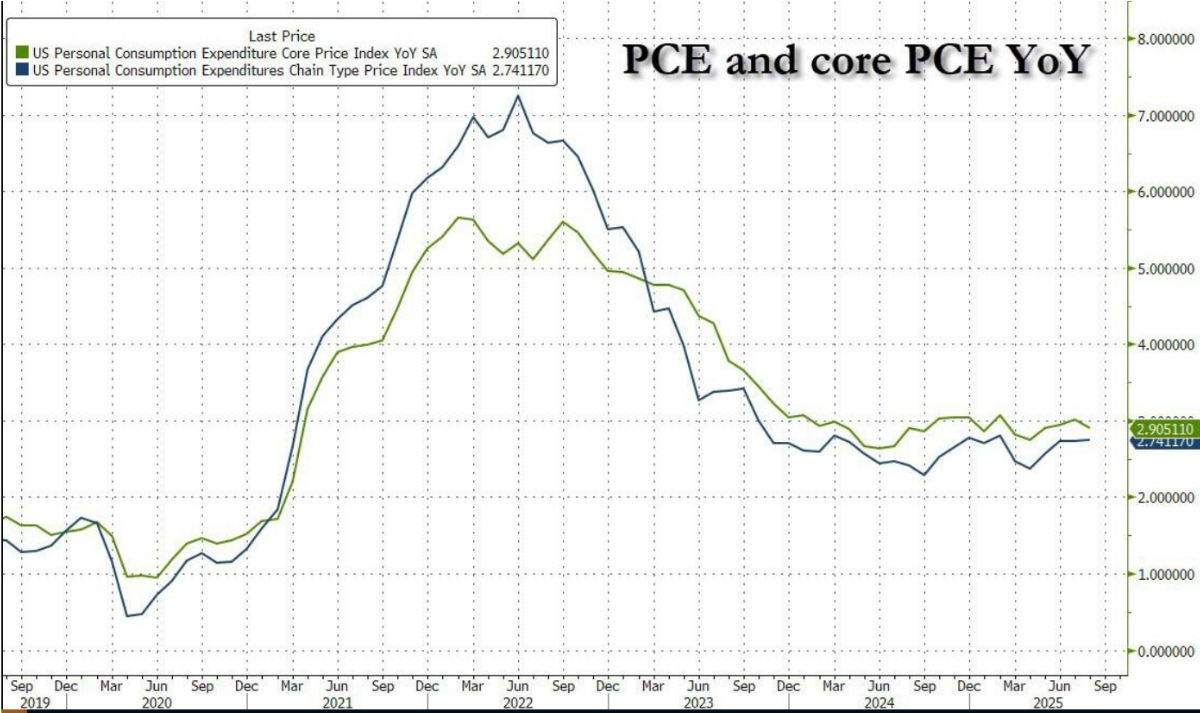
This means the feared inflation wave resulting from the tariff war has failed to materialise. The picture also stands in stark contrast to the message Fed chair Jerome Powell painted earlier this week: an economy that would weaken while inflation remained stubbornly high. Despite the concerns of European investors, the US economy is therefore performing remarkably well, even in an environment of trade wars and geopolitical tensions.
Whereas institutional investors were still considering reducing their US positions in the first quarter, US stock markets are this year (in local currency) clearly outperforming European ones. More and more capital is flowing back to the US. Large investors who had previously shifted their focus to Europe and other regions are returning to US equities and bonds. The turnaround began in August: after months of outflows, money was once again being put into US equities. In a single week, inflows amounted to almost $58 billion, the highest level in more than a year. According to US TIC data, a net $920 billion has already flowed into US capital markets this year.
This movement is being driven by four factors:
- Robust economic figures underscoring the strength of the US economy, in contrast to disappointing figures in Europe.
- The prospect of rate cuts by the Federal Reserve, favourable for small caps and other rate-sensitive segments. In Europe, most of the cuts are already behind us, meaning the stimulative effect there is now fading.
- A weaker dollar, giving US exporters a competitive advantage.
- The enduring appeal of the US technology sector, with artificial intelligence as the key growth driver.
Milei's reform agenda runs into its limits
On 10 December 2023, Javier Milei was sworn in as president of Argentina. The economist and former television personality gained international fame for his flamboyant style: chainsaw in hand, he promised to "smash" the state and broke radically with the political establishment.
That symbol translated into tough policy measures. The number of ministries was reduced from eighteen to eight, tens of thousands of civil servants lost their jobs, and old privileges were fed through the shredder. Subsidies, too, long the holy grail of Argentine politics, were resolutely abolished, resulting in higher bills for bus, electricity and gas.
For a country that was once among the richest in the world but has since defaulted nine times and gone through 22 IMF restructurings, shock therapy seemed inevitable. And, surprisingly, it worked: inflation, which stood at 211% when he took office, fell back to 43.5% in May of this year. Whereas such interventions normally cause deep recessions, Argentina instead recorded a recovery: from –1.6% growth in 2023 to an expected +5.5% in 2024. The approach earned Milei applause from conservatives and libertarians, including Elon Musk and Spanish economist Daniel Lacalle, but also sharp criticism from progressive economists such as Thomas Piketty.
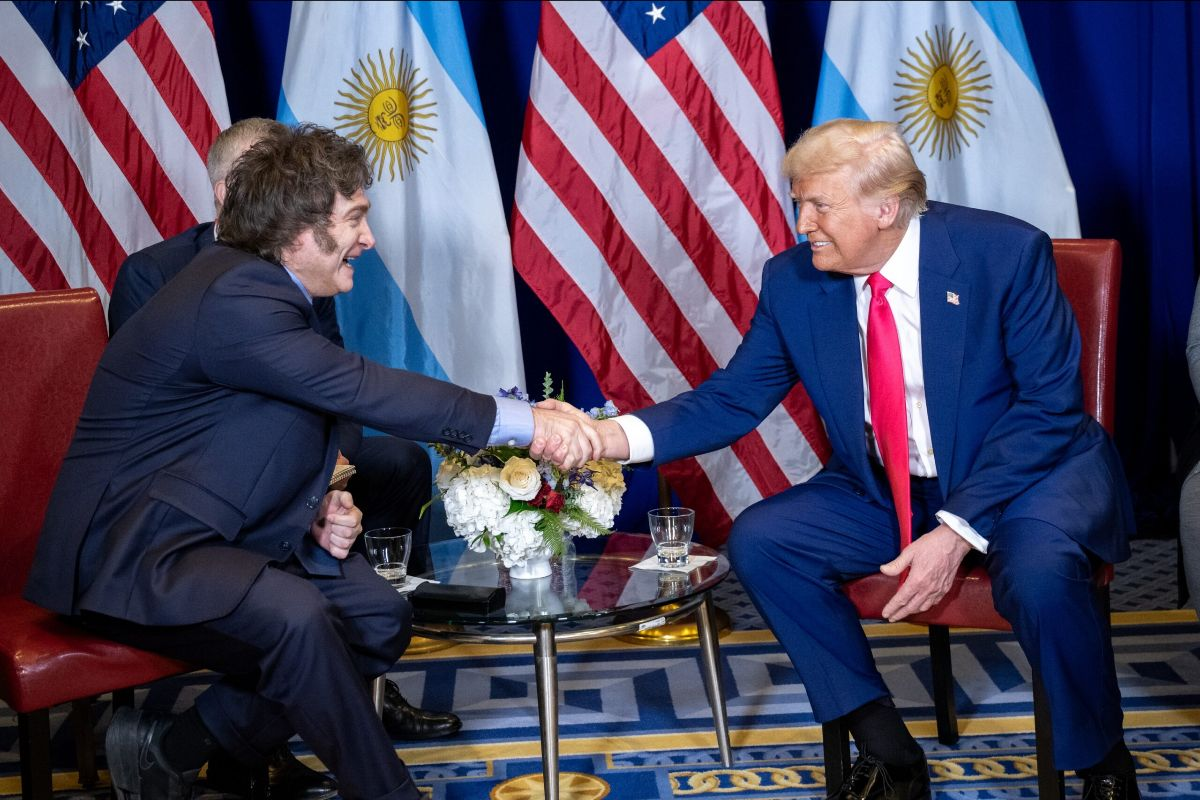
Financial markets initially reacted enthusiastically. Argentine bonds and equities rose, and investors hoped for a comeback. But sentiment soon turned. First came “Cryptogate”: Milei had publicly promoted the cryptocurrency $LIBRA, which collapsed shortly afterwards and cost investors USD 0.3 billion. His party then suffered a heavy defeat in the elections in Buenos Aires province, which accounts for more than 40% of the electorate. Markets reacted sharply: the peso lost more than 5% and the Merval index fell by around 9%.
During this week's UN meeting, the US Treasury Secretary stated he was prepared to provide a USD 20 billion support package (via swap lines and purchases of Argentine bonds) to restore confidence. For Milei, however, this presents a difficult balancing act: international support is necessary to keep the economy afloat, but for a libertarian it feels like a betrayal of the free-market principles on which his policy is built.
Asian markets on the rise: opportunities for long-term investors
In its recent report Thoughts from the Road | South East Asia, KKR highlights that South East Asia currently finds itself in an attractive “sweet spot” within global capital markets. While many international investors remain underweight the region, Asian stock markets have delivered impressive returns this year: Korea +59%, China +38% and Japan +22%. By comparison, the S&P 500 returned +14% over the same period. According to KKR, this underscores Asia's growing importance in global portfolios.
Structural drivers of the rally
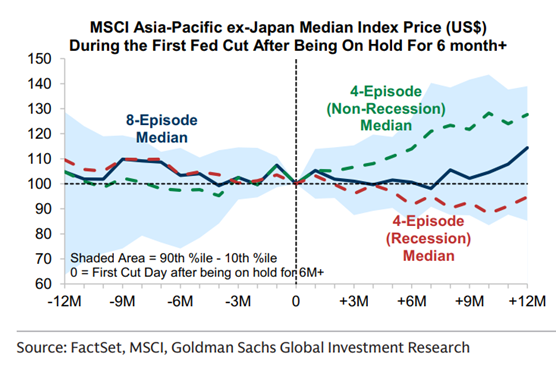
- Rate cuts and a weaker dollar. Historically, Asian markets perform strongly when the Federal Reserve cuts rates against a backdrop of economic growth. An analysis by Goldman Sachs shows that in the first twelve months after a rate cut, returns of up to 25% are achievable (see the green line in the chart above). The explanation: many Asian companies export to the US and carry USD-denominated debt. Lower rates and a weaker dollar ease their financing costs and boost demand.
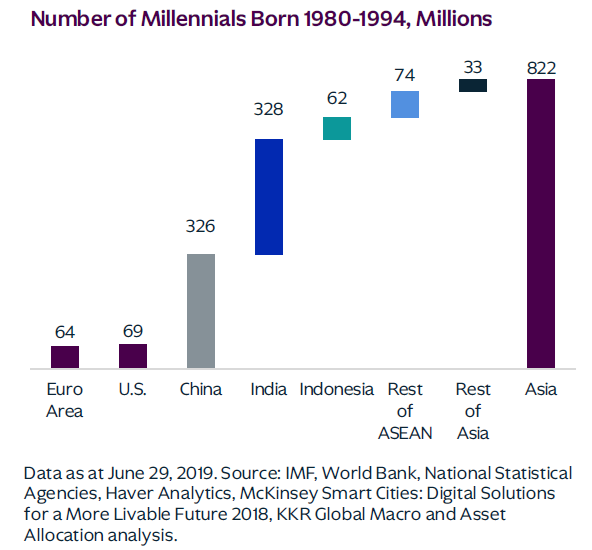
- Demographics as a growth engine. In North East Asia (China, Korea, Japan), ageing populations are driving investment in productivity and automation. At the same time, around 822 million millennials form a powerful consumption wave. According to the World Bank, by 2030 two-thirds of the global middle class will live in Asia, generating structural demand for technology, travel and luxury goods.
- Geopolitics and trade. While higher tariffs are hitting Europe hard, Asia is proving more resilient thanks to strong regional integration. Initiatives such as RCEP (30% of global GDP, 2.3 billion consumers) and the ASEAN Economic Community (600 million inhabitants) are strengthening intra-Asian trade and making the region less dependent on exports to the West. As a result, 58% of Asian trade already stays within the region, and Asia now contributes around 60% of global GDP growth.
- Contrast with Europe. Europe is grappling with disinvestment and the offshoring of production to Asia and the US, particularly in capital-intensive sectors such as chemicals, refining and automotive. Closures in the Rotterdam–Antwerp–Ruhr triangle illustrate that it is not just jobs that are disappearing, but entire value chains and regional economic dynamism that are under pressure.
Supply-side problems in gold and copper
Gold and gold miners have repeatedly been cited in this newsletter as the ultimate hedge against financial repression, an environment in which central banks and governments erode the value of money by artificially keeping rates low and tolerating high inflation. In such a climate, gold, alongside other rate-sensitive assets, has become the best-performing asset class. Demand comes not only from investors but also from central banks, which favour gold over currency reserves. The result: virtually all currencies have lost value against gold in recent years.
Last week, however, worrying news emerged from the Grasberg mine in Indonesia, the world's largest gold mine and the second-largest copper mine. The mine, once Dutch-owned but for decades now the property of Freeport McMoRan, accounts for around 3% of global copper production and produces roughly 50 tonnes of gold a year (about 2% of global output) as a by-product. On 8 September 2025, a severe inflow of wet material (a “mud flow”) occurred in the underground Grasberg Block Cave (GBC), blocking tunnels and evacuation routes. Although Grasberg is still often recognisable from photos of its former open pit, production today is entirely underground, which makes the impact of such incidents far greater. Repair work and safety inspections are expected to potentially keep the mine fully shut until 2026. Freeport McMoRan's share price was hit immediately, falling 22% this week as the duration of the mine closure became clearer.
The consequences differ by metal. A temporary production outage in gold barely affects the real economy, since gold is primarily an investment and reserve asset. For copper, the situation is different: it is crucial for the energy transition and the rapid build-out of data centres. Higher copper prices translate almost directly into higher running costs for industry and energy projects. As a result, this supply shock could have far-reaching consequences, not only for commodity markets but also for the execution of energy and digitalisation plans worldwide.
Receive weekly insights in your inbox
Exclusive analyses and updates on family holding companies and global market developments.
Would you like more information about our services? Please feel free to get in touch.
Get in touch
Disclaimer:
No rights can be derived from this publication. This is a publication of Tresor Capital. Reproduction of this document, or parts thereof, by third parties is only permitted with prior written consent and with reference to the source, Tresor Capital.
This publication has been compiled by Tresor Capital with the greatest possible care. The information is intended in a general sense and is not tailored to your individual situation. The information must therefore expressly not be regarded as advice, an offer or a proposal to purchase or trade investment products and/or to make use of investment services, nor as investment advice. The authors, Tresor Capital and/or its employees may hold positions in the securities discussed, for their own account or on behalf of their clients.
You should carefully consider the risks before you start investing. The value of your investments can fluctuate. Past performance is no guarantee of future results. You may lose (part of) your original investment. Tresor Capital disclaims any form of liability for any inaccuracies or errors. This information is purely indicative and subject to change.
Read the full disclaimer at tresorcapitalnieuws.nl/disclaimer .
This article was originally written in Dutch and automatically translated into English with the help of AI. In case of any difference, the Dutch original prevails.